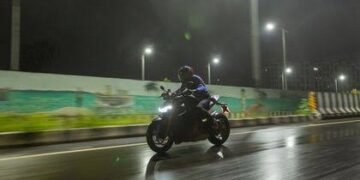












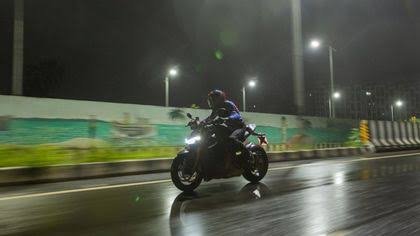
Night riding can be peaceful, with cooler air and open roads. It also takes more skill and more preparation than riding in daylight.
When the sun sets, hazards get harder to spot and your motorcycle gets harder for other drivers to see. If you ride after dark, these night riding safety tips can help you build safer habits.
Why the Risk Goes Up After Dark
Nearly half of all motorcycle fatalities happen at night. A single headlight is easy for drivers to miss, and riders have less time to react to what they cannot see.
Lower visibility also makes it easier to misjudge distance and speed. A few adjustments can make a real difference.
Ride Smarter After Sunset
Build a Bigger Cushion
You need more time to react when you cannot see far ahead. Aim for at least three seconds of space behind the vehicle in front of you.
That gap gives you room to slow down gradually if traffic stops without warning.
Scan for Animals
Wildlife is more active after dark, especially deer and smaller animals looking for food or water. They can dart onto the road with no warning.
Even a small animal can cause a serious wreck on a motorcycle. Keep your eyes moving along both sides of the road.
Ease Off the Throttle
A rider has far less protection than a driver inside a car. Lower speeds give you more time to respond to hazards, even on roads you know well.
Slowing down is one of the simplest ways to cut your risk.
Let Other Vehicles Help You
Riding behind another vehicle can work in your favor. Its headlights light up the pavement, and bouncing taillights can warn you about bumps or dips.
This helps most in rain, fog, or on poorly lit stretches.
Handle Glare the Right Way
Oncoming high beams can leave you temporarily blinded. Shift your eyes toward the right lane line to stay oriented without looking into the light.
Do not stare at the pavement directly in front of your wheel. It can make steering less steady.
Stay Wary of Tired and Impaired Drivers
Late-night roads tend to have more drowsy, distracted, and impaired drivers. Empty roads also tempt some people to speed.
Check your mirrors often and approach intersections with caution, even when you have the right of way.
Pick a Visible Lane Position
Riding nearer the center line, instead of hugging the edge, can help oncoming traffic notice you sooner. Use lane markings to guide you if glare briefly affects your vision.
Prepare Your Bike and Your Gear
Improve Your Lighting
Stock lights may not be enough for dark roads. Consider these upgrades:
- HID headlights produce stronger, more focused light than standard halogen bulbs.
- LED headlights last longer and use less power while delivering a sharp beam.
- Auxiliary lights like fog or driving lights widen your view and reduce eye strain.
- Brake light flashers pulse when you brake, which draws a trailing driver’s eye faster.
Dress to Be Noticed
Gear protects you in a crash, and it can also help prevent one. Bright or fluorescent clothing with reflective piping stands out in low light.
Reflective tape on your helmet, jacket, and bike adds even more visibility from every angle.
Quick Pre-Ride Checklist
Before you head out after dark, run through these steps:
- Test your headlight, taillight, brake light, and turn signals.
- Put on a reflective jacket and bright gear.
- Make sure your visor is clear and scratch-free.
- Check the forecast for fog, rain, or debris.
Taking two minutes to confirm each item can spare you a lot of trouble on the road.
Adjust for Weather and Location
Motorcyclists are far more likely to die in a crash than people in other vehicles, and nighttime conditions widen that gap. Fog, rain, and impaired drivers add to the danger.
In fog, use low beams or fog lights. In busy areas, expect more traffic and pedestrians. On rural roads, watch for wildlife and loose debris.
Match your speed and following distance to your surroundings every time you ride.
If Someone Else Causes Your Crash
Careful riding cannot prevent every wreck. A negligent driver can injure even the most prepared rider.
After a crash, riders are sometimes blamed unfairly, as if the accident were their fault. That can hurt your claim if you do not have someone in your corner.
A motorcycle accident lawyer can investigate what happened, gather evidence, and handle negotiations with insurance companies. That allows you to focus on healing.
If you were hurt in a motorcycle accident, talking to a personal injury attorney early can help protect your rights. You can also view the office locations to find a team near you.