







Table of Contents
- Why Challenge Coins Matter
- The History And Tradition Behind Challenge Coins
- Choose The Purpose Before The Design
- Design Elements That Carry Meaning
- How To Plan The Front And Back
- Common Design Mistakes To Avoid
- Presenting A Coin With Respect
- Ideas For Texas Groups And Events
- A Simple Planning Checklist
- Final Thoughts
From military communities near major installations to volunteer fire departments, school teams, small businesses, and nonprofit organizations, Texas groups often look for meaningful ways to recognize people who serve, lead, and contribute. A thoughtfully designed coin can turn a shared achievement into a keepsake that recipients can carry, display, and remember. For organizations planning a local recognition program, Lone Star’s custom coin shop offers a starting point for translating a Texas story, milestone, or team identity into a physical design.
Whether the occasion is a retirement in San Antonio, a community event in the Hill Country, a first responder award in Houston, or a school milestone in the Panhandle, the strongest challenge coins begin with a clear purpose. The artwork matters, but the reason behind the presentation gives the coin its real value.
Why Challenge Coins Matter
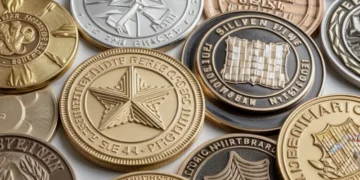
Recognition is more memorable when it is specific. A certificate may mark an accomplishment, but a coin can also represent membership, a completed mission, an anniversary, or a difficult project completed together. Its compact size makes it personal, while its design gives the recipient a visible connection to the group that presented it.
In Texas, local details can make that connection stronger. A city skyline, county outline, bluebonnet, longhorn, river, ranch brand, station number, school colors, or unit emblem can help a coin feel rooted in a real place. The goal is not to add every possible symbol. It is to choose details that tell one clear story.
The History And Tradition Behind Challenge Coins
Challenge coins are closely associated with military culture, recognition, and group identity. However, the tradition has more than one commonly repeated origin story, and no single account explains every modern custom. The history of challenge coins describes their use as organizational emblems, commemorative awards, and tokens connected to membership.
Today, coins are used well beyond military settings. Public safety agencies, veterans’ organizations, companies, clubs, schools, and charities may use them to recognize service or reinforce shared values. A Texas organization does not need to copy military customs exactly. It can create a presentation style that is appropriate for its people and purpose.
Choose The Purpose Before The Design
A coin for a volunteer appreciation dinner should not communicate the same message as a coin for a line-of-duty memorial, championship season, or employee retirement. Before choosing finishes, colors, or shapes, answer these questions:
- What moment does the coin mark? Define whether it recognizes service, achievement, membership, remembrance, teamwork, or celebration.
- Who will receive it? Consider what the recipients share, including their role, location, experience, or goal.
- What is the main message? Write it in one short sentence before reducing it to a motto, title, or date.
- What tone fits? Choose whether the design should feel formal, traditional, bold, warm, humorous, or modern.
- What practical limits apply? Confirm quantity, budget, approval steps, and presentation date early.
Design Elements That Carry Meaning
Every visual choice should support the main idea. A central symbol usually works better than several unrelated images competing for attention.
- Symbols: Use an emblem, tool, landmark, animal, shield, or other image that recipients will immediately recognize.
- Words: Keep wording brief enough to read without straining. A motto, title, or short statement is often enough.
- Dates: Add a year, anniversary, or event date when the timing is central to the story.
- Colors: Use colors that match approved branding, uniforms, school identity, or the event theme.
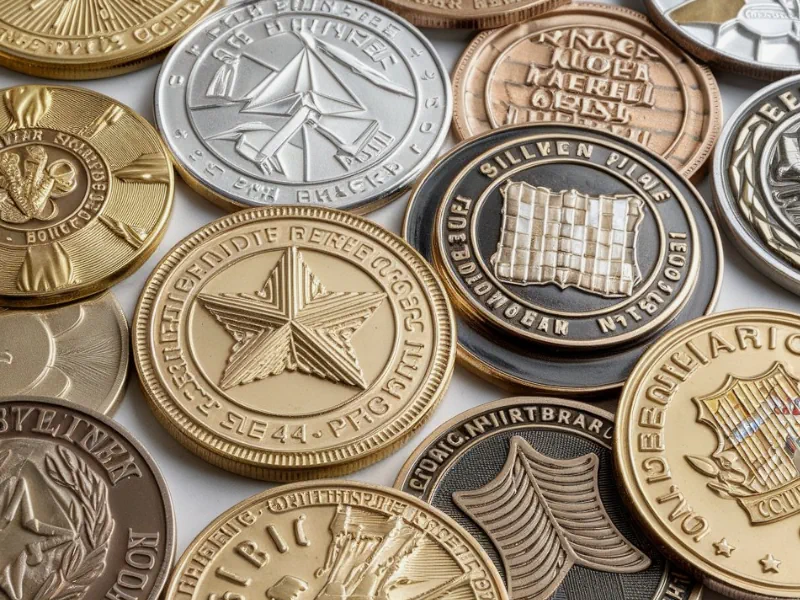
- Shape: A round coin is familiar, while a badge, shield, Texas outline, or custom form can add meaning when it remains practical to carry.
- Texture: Raised borders and recessed details can separate important elements and improve visual order.
How To Plan The Front And Back
Think of both sides as parts of one message. The front can carry the primary identity, such as a unit insignia, team mark, or event title. The back can hold a motto, date, location, short dedication, or supporting symbol. Avoid turning either side into a list of information. Small lettering becomes difficult to read quickly, especially on compact designs.
Common Design Mistakes To Avoid
- Adding too many symbols or long blocks of text.
- Using low-contrast colors that obscure words and details.
- Using names, ranks, titles, logos, or insignia without confirming accuracy and permission.
- Choosing a custom shape that is difficult to hold, store, or display.
- Skipping a final proof review for spelling, dates, and placement.
- Leaving the reason for recognition unclear.
Presenting A Coin With Respect
The presentation often becomes part of the coin’s story. Invite the recipient forward when appropriate, name the action or contribution being recognized, and explain one meaningful design detail. Handing over the coin directly can make the moment more personal than simply placing it in a gift bag or leaving it on a table.
For groups influenced by military tradition, the challenge coin tradition has developed through customs that vary among organizations. A respectful Texas presentation can be formal at a ceremony, brief during a team gathering, or private when the recipient would value a quieter moment.
Ideas For Texas Groups And Events
Military, Veterans, And Public Safety Teams
- Retirements, changes of command, unit anniversaries, and training milestones.
- Years of service, special assignments, interagency cooperation, and community safety efforts.
- Memorial events that honor a person’s service with a restrained, respectful design.
Businesses, Schools, Nonprofits, And Community Groups
- Employee anniversaries, major project completions, and leadership recognition.
- Volunteer appreciation, fundraising milestones, and donor events.
- Graduations, championships, club milestones, festivals, and local anniversaries.
A Simple Planning Checklist
- Define the purpose and recipient group.
- Approve all wording, names, dates, and symbols.
- Select the size, shape, finish, and color approach.
- Set the quantity, budget, and production timeline.
- Review the final proof with more than one careful reader.
- Plan who will present the coin and what they will say.
- Consider display cases, protective sleeves, or presentation cards if they fit the occasion.
Final Thoughts
A meaningful challenge coin does not need a crowded design or an elaborate ceremony. It needs a genuine reason to exist. When a Texas group begins with purpose, chooses symbols that belong to its community, keeps the wording clear, and presents the coin with intention, it creates a lasting reminder of the people and moments worth recognizing.