









Viewers who watched the Season 4 premiere of the USA Network legal drama Suits in June 2014 saw an unexpected closing card: “In Memory of Albert Ezerzer.” For many fans, this raised an immediate question, who was Albert Ezerzer, and why did the show choose to honor him this way?
The answer has nothing to do with the show’s on-screen cast. Albert Ezerzer was a real behind-the-scenes crew member whose sudden death prompted the production to pay tribute to someone whose work, while essential, rarely gets public recognition.
Who Albert Ezerzer Was
Albert Ezerzer worked in the transportation department within the film and television industry, a behind-the-camera role responsible for driving cast members between hotels, set locations, and production sites, as well as moving trucks, trailers, and equipment wherever a shoot required them.
He was born on January 31, 1959, and spent years working across numerous film and television productions in this capacity.
According to his IMDb filmography, his transportation credits include Interstate 60 (2002), Covert One: The Hades Factor (2006), Tru Confessions (2002), and Anne of Green Gables: A New Beginning, among other titles, reflecting a long career spent keeping productions moving rather than appearing in front of the camera.
The Suits Tribute
Ezerzer worked in the transportation department on Suits. Following his death, the show’s creator, Aaron Korsh, confirmed the connection directly in response to a fan question on Twitter, explaining that Albert had worked in the show’s transportation department and describing him as a beloved member of the Suits family. The show subsequently included the “In Memory of Albert Ezerzer” tribute card at the close of its Season 4 premiere, “One-Two-Three Go…,” which aired June 11, 2014.
This kind of tribute, honoring a crew member rather than an on-screen actor, reflects a recognition within the industry that productions depend heavily on behind-the-scenes staff whose contributions are essential but rarely visible to the viewing audience.
Union Recognition
Albert Ezerzer’s death was also documented through an IATSE Local 873 memorial listing, the union representing many transportation and location professionals within the film and television industry, which lists his death date as May 9, 2014.
This is the most consistently cited date across available sources, though a small number of articles cite a different date in April 2014, an inconsistency worth noting given the more frequent and better-corroborated May 9 date.
What Isn’t Publicly Known
Several more detailed biography-style articles covering Albert Ezerzer include a specific claimed cause of death. However, more careful sources covering him explicitly state that his cause of death was not publicly disclosed. Given this direct inconsistency, and out of respect for the privacy of a man who worked behind the scenes and was not a public figure himself, this account does not assert a specific cause of death as established fact.
Similarly, limited public information exists about Albert Ezerzer’s personal life beyond his professional transportation work, consistent with the general pattern for crew members whose careers take place largely out of public view.
A Case of Mistaken Identity Worth Noting
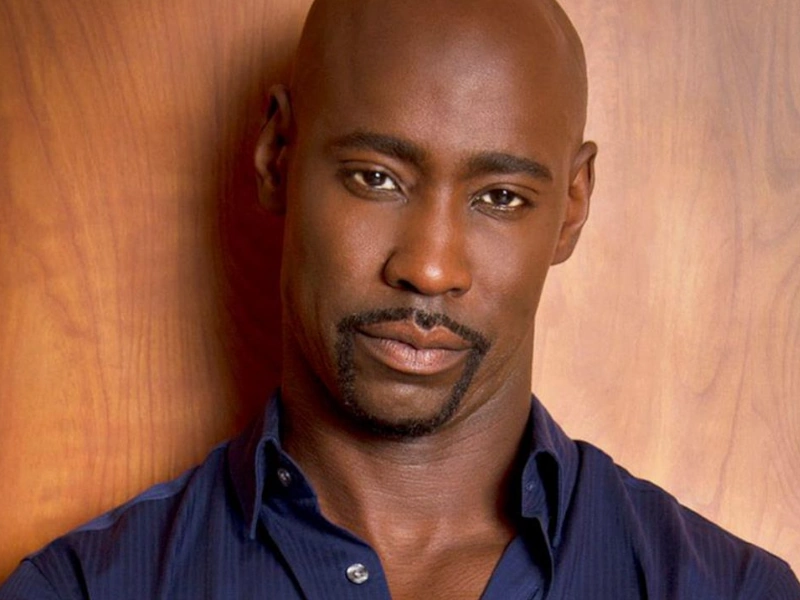
Several sources covering Albert Ezerzer address a recurring point of confusion: some online content has mistakenly used photos of actor D.B. Woodside in connection with Ezerzer, reportedly due to a resemblance between the two.
It’s worth being clear that Albert Ezerzer and D.B. Woodside are two entirely different people with no connection to one another, and readers should disregard any content that conflates them.
Final Thoughts
Albert Ezerzer’s story is a reminder that television and film productions depend on far more people than the actors audiences see on screen. His years of work in the transportation department across multiple productions, and his place within the Suits production team specifically, earned him a quiet but genuine tribute from the show following his death in 2014.
While some details about his life and the specific circumstances of his death remain appropriately private, the recognition he received, from the show’s own creator and through union memorial records, reflects the respect he earned from those he worked alongside.