











In older Seattle homes, slow drains, recurring backups, or foul odors can all signal a hidden problem far beneath the surface: tree roots growing into clay sewer pipes. With so many mature trees lining Seattle’s streets and yards, the city’s unique landscape puts additional pressure on aging underground pipes made from clay. These pipes, commonly installed before the 1980s, are especially prone to cracking at their joints, which creates an open invitation for invasive roots seeking moisture. If left unchecked, these roots can block the flow of wastewater, damage the pipe’s structure, and eventually cause costly emergencies that disrupt daily life. Fortunately, scheduling a qualified Plumber in Seattle is the most effective way to identify, address, and prevent root intrusion before it causes major trouble.
Professional plumbers understand the region’s specific challenges, from high annual rainfall to the prevalence of deep-rooted tree species. They use specialized tools and proven techniques tailored to Seattle’s local plumbing infrastructure, helping homeowners avoid sewage overflows and expensive repairs. Acting at the first sign of trouble—or better yet, before symptoms appear—can protect both your property and the environment from preventable damage.
Seattle Clay Sewer Pipe Vulnerabilities Under Pacific Northwest Trees
Clay pipes, commonly found beneath Seattle’s older neighborhoods, are particularly susceptible to root invasion due to their construction. Unlike modern plastic or cast iron pipes, clay sewer lines were built in short sections joined by mortar or loose-fitting collars. Over time, soil movement and weather cycles can cause these joints to separate just enough to let in fine roots from nearby trees.
The Pacific Northwest’s abundant rainfall accelerates this process. Moisture in the soil leads to frequent pipe shifts and joint failures, while also encouraging tree roots to seek out any available water source. Many native and ornamental trees—such as maples, willows, and alders—have aggressive root systems that can travel surprisingly far from the trunk, targeting even the smallest leaks or gaps in clay pipes.
Understanding how tree roots locate and penetrate clay pipe joints helps property owners recognize the elevated risk in Seattle’s environment. Regular monitoring beneath tree canopies and in yards with older sewer lines is necessary to catch problems before they escalate.
Tree Root Intrusion Mechanics in Aging Municipal Plumbing Networks
Once a root finds its way into a small crack or joint in a clay pipe, it quickly proliferates inside the moist, nutrient-rich environment. The initial invasion may only slightly slow water flow, but as roots grow and multiply, they create dense masses—sometimes called “root balls”—that can block the entire pipe over time.
These blockages cause wastewater to back up into the home or leak into surrounding soil, undermining the structural integrity of the pipe and triggering health and environmental hazards. In many Seattle neighborhoods, municipal plumbing networks are decades old and have not been fully upgraded, making them more vulnerable to this type of intrusion.
Reviewing common causes of sewer pipe failure in urban tree zones can help city residents understand why scheduling maintenance is so important. Delaying action increases the risk of sudden, disruptive failures that require extensive excavation and pipe replacement.
Proactive Plumbing Inspection Techniques for Local Property Owners
Detecting root intrusion early is far less disruptive and costly than waiting for a complete blockage or pipe collapse. Licensed professionals now use video drain inspection tools—flexible cameras that travel through underground pipes—to pinpoint root entry points and assess the overall condition of the pipe. This non-invasive method is ideal for Seattle’s densely planted properties where digging is not practical.
Hydro jetting, a process that uses a high-pressure stream of water, is often effective for clearing small root invasions before they turn into major obstructions. However, repeated root growth may signal that the pipe itself needs repair or replacement. Scheduling a Plumber in Seattle allows homeowners to benefit from a professional’s knowledge of local tree species, typical piping layouts, and the most effective inspection and maintenance approaches.
For property owners concerned about recurring issues, annual inspections provide peace of mind and help extend the lifespan of aging sewer infrastructure. Early identification limits the extent of necessary repairs, saving both time and money in the long run.
Trenchless Repair Solutions for Damaged Underground Drainage Systems
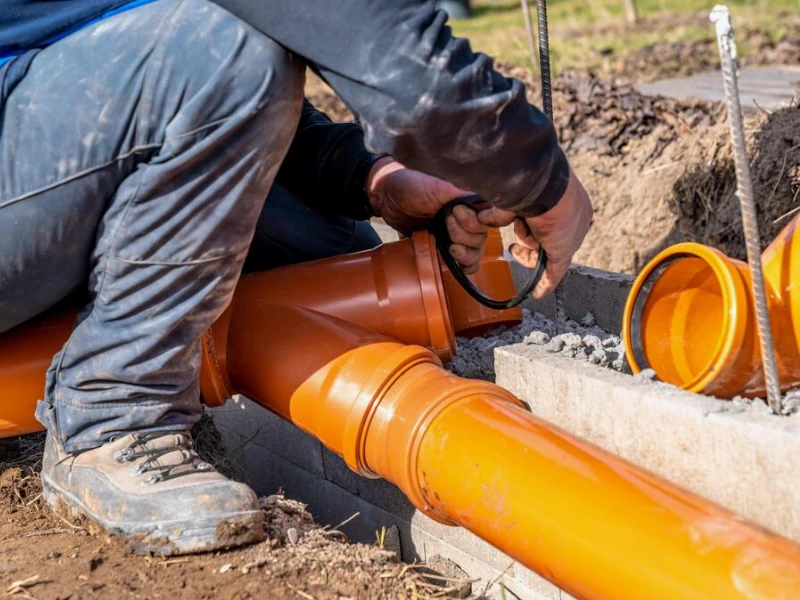
Advancements in trenchless sewer repair offer Seattle homeowners less invasive options for fixing root-damaged clay pipes. Techniques such as pipe lining involve inserting a flexible, resin-coated tube into the existing pipe, which then hardens to form a seamless barrier against future root intrusion. This method preserves landscaping and hardscaping, which is particularly valuable in established neighborhoods with mature trees and limited yard space.
Pipe bursting is another option, where the old clay pipe is fractured and replaced with a new, more durable plastic pipe—all without the need for extensive digging. Both solutions are designed to restore proper drainage while minimizing disruption to the property and surrounding environment.
Homeowners considering trenchless repair should confirm that contractors are familiar with local soil conditions and building codes to ensure a successful, long-lasting result. These modern solutions have become the preferred choice for many Seattle property owners seeking to address root intrusion efficiently and sustainably.
Conclusion
Early intervention remains the most effective way to protect clay sewer pipes from invasive tree roots in Seattle. Scheduling a qualified plumber for inspection and routine maintenance—especially for homes with mature trees and original clay lines—can prevent costly emergencies and preserve the integrity of your property’s drainage system.