














When health challenges become complex, needing more than standard check-ups, specialized medical care becomes essential. It provides dedicated expertise for conditions that require a deeper understanding and a more focused approach. This type of care is vital for patients with complex health needs, offering solutions designed to greatly improve their well-being and quality of life.
In this extensive guide, we will explore Specialized Medical Care. We’ll explain what it is and why it’s so important for managing complex health issues. We will also look at how it differs from general primary care, the strength of interdisciplinary teams, and the key role technology plays in its delivery. Furthermore, we’ll discuss how healthcare systems can better connect these services and the challenges patients face in getting them. We’ll even touch upon how integrating all aspects of health, including areas like comprehensive dental services, contributes to better overall patient outcomes. Join us as we uncover the advancements shaping the future of specialized medical attention.
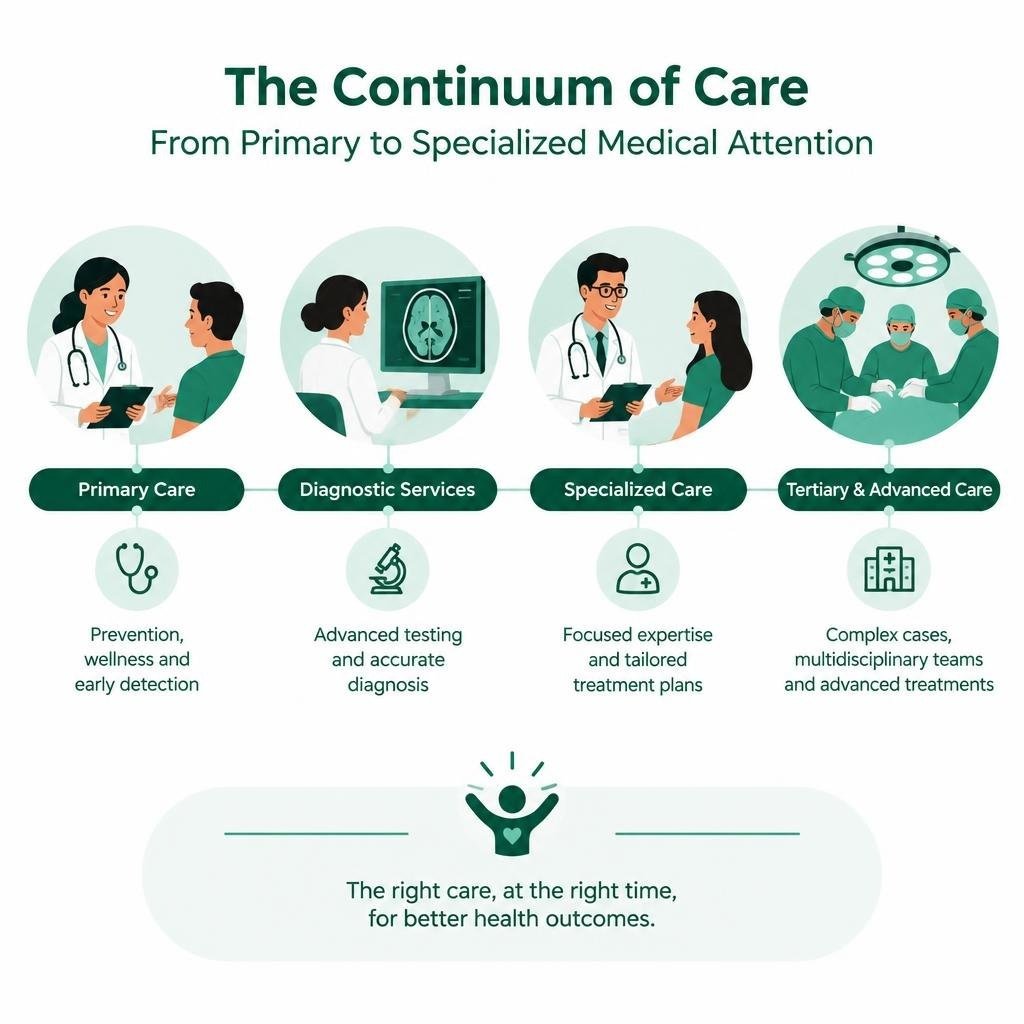
Specialized Medical Care, often referred to simply as specialty care, involves medical services provided by physicians and healthcare professionals who have undergone advanced training in a specific area of medicine. Unlike general primary care, which focuses on broad health management and preventive services, specialized care delves into the intricacies of particular diseases, organ systems, or patient populations. This distinction becomes critically important when patients face complex health needs, such as multi-organ failure, rare diseases, or conditions requiring highly specific clinical pathways.
The essence of specialized care lies in its ability to offer diagnostic accuracy and tailored treatment plans that general practitioners, by virtue of their broad scope, might not be equipped to provide. For instance, a patient presenting with symptoms of a complex neurological disorder would benefit immensely from the expertise of a neurologist, who possesses deep knowledge of the nervous system and access to advanced diagnostic tools and therapies. This focused approach ensures that disease complexity is met with appropriate, evidence-based interventions, guiding patients through intricate clinical pathways with greater precision.
Understanding Multidisciplinary Care Teams and Clinical Coordination
A hallmark of effective Specialized Medical Care, particularly for patients with complex conditions, is the implementation of interdisciplinary collaboration. These teams bring together a diverse array of specialists—such as cardiologists, oncologists, rheumatologists, and even specialized practitioners offering urology services like sexual health treatments—to address all facets of a patient’s health. The goal is to provide patient-centered treatment that considers the whole person, not just isolated symptoms or diseases.
Interdisciplinary teams improve outcomes by coordinating across multiple specialties, ensuring that each aspect of a patient’s care is managed cohesively. This coordination is often facilitated by care navigators, who act as a central point of contact, helping patients and their families understand complex treatment plans, schedule appointments, and access necessary resources. This approach ensures that while various specialists contribute their unique expertise, the overall treatment strategy remains unified and focused on the patient’s best interests. Despite this collaborative environment, leading healthcare systems like Optum emphasize that physicians retain full clinical autonomy, ensuring they have the authority over medical decision-making and patient care. This balance allows for both specialized expertise and coordinated, patient-centric approaches.
Specialized Inpatient Units for Acute and Severe Conditions
For patients facing acute and severe conditions, specialized inpatient units offer a critical level of care that can significantly alter outcomes. These units are designed to provide intensive medical stabilization, often for conditions that require constant monitoring and highly specific interventions. A compelling example of this can be seen in the treatment of extreme eating disorders.
Research conducted between 2022 and 2024 highlighted the profound impact of specialized inpatient medical stabilization for individuals with extreme eating disorders. Patients with restricting eating disorders, for instance, experienced an average of 1.6 kg/week of weight gain at a specialized medical stabilization unit, a stark contrast to an average of -0.9 kg/week of weight loss while receiving nonspecialized medical care. Similarly, purging eating disorder patients gained 1.7 kg/week in specialized care, compared to a slight loss of 0.2 kg/week elsewhere.
This dramatic difference in weight restoration underscores the importance of dedicated expertise. Patients in nonspecialized settings were also found to be more likely to require ICU care and experience iatrogenic complications—adverse effects resulting from medical intervention. Specialized units are equipped with staff trained in protocols specific to these complex conditions, enabling early monitoring of fluid balance and intensive nutritional rehabilitation, reducing iatrogenic risk and improving safety.
Here’s a comparison of patient recovery outcomes in specialized stabilization units versus standard medical units, based on the eating disorder research:
Feature Specialized Inpatient Unit (Eating Disorders) Nonspecialized Medical Care (Eating Disorders) Weight Gain (Restricting EDs) +1.6 kg/week -0.9 kg/week Weight Gain (Purging EDs) +1.7 kg/week -0.2 kg/week ICU Admission Risk Lower Higher Iatrogenic Complications Lower Higher Staff Expertise Dedicated, highly trained General medical staff Treatment Protocols Condition-specific, intensive General, less focused This table clearly illustrates the clinical advantage of specialized inpatient medical stabilization, demonstrating its essential role in achieving positive weight trends and ensuring patient safety in extreme eating disorder cases.
General Primary Care vs. Specialized Care Models for High-Need Patients
Healthcare systems are continuously seeking ways to improve outcomes for patients at high risk for hospitalization, which often involves navigating the distinction between general primary care and specialized care models. Risk stratification, utilizing predictive algorithms like the Care Assessment Needs (CAN) score, helps identify these high-need patients. These algorithms assess various factors to predict hospitalization risk, allowing healthcare providers to proactively manage disease burden and implement strategies for hospitalization prevention.
However, a significant challenge lies in ensuring that these high-risk patients receive care in the most appropriate setting. While the top 5% highest-risk patients typically account for nearly half of overall healthcare costs, largely driven by hospitalizations, the majority often remain within general primary care settings.
Evaluating Specialized Medical Care for High-Risk Patient Populations
A study within the Veterans Health Administration (VHA) provided critical insights into the utilization patterns of high-risk patients. It revealed that an overwhelming 88% of the highest-risk patients were managed in general primary care rather than specialized primary care clinics. This challenges the assumption that complex, high-need patients primarily seek care from medical specialists or emergency departments. Instead, general primary care often bears the vast majority of their ongoing disease management.
Despite being in general primary care, high-risk patients demonstrated higher engagement with healthcare services. They had 2.5 times more face-to-face visits, 4 times more telephone encounters, and twice the number of secure messaging encounters compared to low-risk patients. This active digital engagement challenges the notion that high-risk patients lack health literacy or interest in electronic tools.
Interestingly, the study also found that most patients enrolled in specialized primary care clinics were actually low-risk, with the exception of specialized dialysis primary care. This suggests that while specialized primary care models exist, their current implementation might not be effectively targeting the highest-risk populations. High-risk patients with complex conditions also had substantially more mean hospital visits (0.8 vs. 0.02 per year) and emergency department visits (2.1 vs. 0.2 per year) than low-risk patients, highlighting the need for more effective clinical triage and coordinated care to prevent these acute events.
Here’s a comparison of general primary care and specialized primary care for high-risk patients, based on the VHA study:
Feature General Primary Care (High-Risk Patients) Specialized Primary Care (High-Risk Patients) Assignment Rate 88% 12% Face-to-Face Visits 2.5x more than low-risk Higher than low-risk (specific data not given for specialized only) Telephone Encounters 4x more than low-risk Higher than low-risk (specific data not given for specialized only) Secure Messages 2x more than low-risk Higher than low-risk (specific data not given for specialized only) Hospital Visits/Year 0.8 (mean) (Likely lower if effective, but not explicitly compared for high-risk in specialized) ED Visits/Year 2.1 (mean) (Likely lower if effective, but not explicitly compared for high-risk in specialized) Primary Patient Cohort Vast majority of high-risk patients Mostly low-risk patients (except dialysis) This data suggests that while specialized primary care models exist, there’s a significant opportunity to better align them with the needs of the highest-risk patient populations. Developing population-based approaches to embed specialist knowledge and support within general primary care is likely more beneficial and cost-effective than creating separate, carve-out specialized primary care programs.
Integrating Whole-Person Health and Specialty Dental Interventions
A comprehensive approach to specialized medical care extends beyond managing specific diseases to encompass whole-person health. This includes recognizing the critical oral-systemic connection, where oral health profoundly impacts overall systemic health. Conditions like periodontal disease have been linked to systemic issues such as cardiovascular disease, diabetes, and respiratory problems.
Integrating medical and dental care is therefore a vital component of holistic specialized care, especially for patients with chronic illnesses. By addressing oral health proactively, we can contribute to chronic illness prevention and better management of existing conditions. For example, patients undergoing complex medical treatments, such as cancer therapy, often experience oral side effects that can compromise their ability to eat, speak, and maintain nutrition. Coordinated care between oncologists and dental specialists ensures these oral health needs are met, improving quality of life and treatment adherence. This proactive, integrated approach highlights how seemingly distinct areas of healthcare are interconnected, all contributing to a patient’s overall well-being.
Technological Advancements Transforming Specialty Care Delivery
The landscape of Specialized Medical Care is being reshaped by rapid technological advancements. Digital health innovations are not just conveniences; they are becoming fundamental tools for enhancing clinical efficiency, enabling remote triage, and improving diagnostic precision. These technologies empower healthcare providers to deliver high-quality specialized attention more effectively and to a broader patient base, overcoming traditional barriers like geographic distance and resource limitations.
Virtual Specialty Consultations and Remote Patient Monitoring
Virtual care and telehealth have emerged as powerful modalities for delivering specialized medical attention. They allow patients to access expert consultations from the comfort of their homes, reducing the need for travel and minimizing exposure risks. Telehealth expansion has been particularly beneficial for high-risk patients, who often have multiple chronic conditions and face mobility challenges.
Secure messaging platforms facilitate direct communication between patients and their specialized care teams, allowing for quick questions, follow-ups, and ongoing support without the need for an in-person visit. Furthermore, remote patient monitoring systems enable continuous tracking of vital signs, glucose levels, cardiac rhythms, and other physiologic data. This proactive monitoring allows specialists to intervene early if trends indicate a worsening condition, preventing hospitalizations and improving outcomes. For instance, among high-risk patients, 10.9% received telehealth monitoring for chronic conditions, demonstrating its growing utility. Distance training programs also leverage technology to educate general practitioners on managing complex conditions, effectively extending specialist knowledge into primary care settings.

Surgical Innovations and Computational Modeling
In the realm of surgical specialties, technology has revolutionized interventions, making them safer, less invasive, and more precise. Minimally invasive surgery, including laparoscopic and endoscopic techniques, has become standard in many fields, leading to smaller incisions, reduced pain, faster recovery times, and fewer complications.
Advanced imaging and computational modeling play a crucial role in surgical planning. Surgeons can now use 3D surgical planning tools to create highly detailed models of a patient’s anatomy, allowing them to rehearse complex procedures virtually before stepping into the operating room. This is particularly impactful for intricate operations like skull base procedures, as seen at centers like Stanford’s Pituitary Center, where virtual reality and 3D imaging are used for pre-operative planning.
Robotic interventions further enhance precision and control, especially in delicate surgeries. Image-guided therapy, which integrates real-time imaging with surgical tools, provides surgeons with unparalleled visibility and accuracy during procedures. Technologies like CyberKnife, for example, allow for the treatment of previously untreatable skull base tumors with highly focused radiation, pushing the boundaries of what is surgically possible and improving patient outcomes.
Improving System-Level Integration and Patient Access
Despite the advancements in Specialized Medical Care, significant challenges persist in ensuring that all patients who need it can access it effectively. Care fragmentation, where different specialists operate in silos, can lead to disjointed treatment plans, redundant tests, and suboptimal outcomes. Addressing these issues requires a concerted effort to improve healthcare access, promote health equity, and transition towards value-based care models that prioritize patient outcomes over volume of services.
Overcoming Structural Barriers to Specialized Medical Care
Patients often face numerous structural barriers when trying to access specialized medical care. Provider shortages, particularly in rural or underserved areas, can make it difficult to find a specialist. Lengthy wait times for appointments are common, delaying crucial diagnoses and treatments. Insurance preauthorization processes can be complex and time-consuming, creating financial and administrative hurdles for patients.
Geographic disparities mean that specialized centers are often concentrated in urban areas, leaving patients in remote regions with limited options. To mitigate these challenges, resources like patient advocacy groups and care navigators play a vital role. Care navigators, for instance, can help patients understand their insurance coverage, obtain referrals, schedule appointments, and connect with support services. This holistic support is essential for improving access and ensuring that patients receive timely, appropriate specialized attention.

Programmatic Models in Oncology, Maternity, and Chronic Disease
Healthcare systems are increasingly adopting programmatic models to deliver integrated Specialized Medical Care, particularly in high-need areas like oncology, maternity, and chronic disease management. These programs are designed to streamline care pathways, reduce costs, and improve outcomes by offering a seamless, guided experience.
Mount Sinai Solutions, for example, offers end-to-end specialty care programs in areas such as cancer care, maternity, musculoskeletal health, weight loss, and gender care. Their model emphasizes integrated care navigation, guiding patients from their first contact to cure, aiming to reduce friction in the patient journey. These programs have demonstrated lower costs compared to NYC health system peers and reductions in readmissions after surgery, although specific figures are often proprietary.
Similarly, specialized centers like the Richard D. Wood Jr. Center for Fetal Diagnosis and Treatment and the Betty Irene Moore Children’s Heart Center at Stanford provide comprehensive, multidisciplinary care for complex conditions. These programs often integrate prenatal diagnosis, fetal surgery, specialized delivery, and postnatal care, ensuring continuity.
Key performance metrics in integrated specialty care programs often include:
- Reduction in hospital readmission rates: Integrated care models reduce hospital readmission rates by up to 15% in some cases.
- Improved patient satisfaction scores: Coordinated care and navigation enhance the patient experience.
- Lower overall cost of care: By preventing complications and streamlining services, costs can be reduced.
- Enhanced clinical outcomes: Such as better weight restoration in eating disorders or improved survival rates in oncology.
- Timeliness of care: Reduced wait times for specialist appointments and diagnostic tests.
- Adherence to evidence-based guidelines: Ensuring that care aligns with best practices.
These programmatic approaches highlight a shift towards value-based care, where the focus is on delivering high-quality, efficient care that leads to better patient health and financial sustainability for the healthcare system.
Frequently Asked Questions About Specialized Medical Care
As we navigate the complexities of modern healthcare, understanding Specialized Medical Care is crucial. Here, we address some common questions to clarify its role and impact.
What distinguishes specialized medical care from standard primary care?
Specialized Medical Care is distinct from standard primary care primarily in its depth of focus and expertise. Standard primary care provides broad, foundational health services, including preventive care, routine check-ups, and initial diagnosis and treatment for common illnesses. Primary care providers act as generalists, managing a wide range of health issues and coordinating referrals to specialists when needed.
In contrast, specialized care involves practitioners with subspecialty training who possess in-depth knowledge and experience in a particular medical field, such as cardiology, oncology, or endocrinology. They handle conditions of greater disease complexity, utilize advanced diagnostic capabilities, and implement highly specific treatment protocols. The care is often delivered by multidisciplinary teams, allowing for a comprehensive approach to complex health challenges that goes beyond the scope of a general practitioner.
How do healthcare systems identify patients who need specialized clinical intervention?
Healthcare systems employ various methods to identify patients who would benefit from specialized clinical intervention. One primary approach involves risk stratification algorithms, which analyze patient data to predict their likelihood of adverse health events, such as hospitalizations or disease progression. Tools like the Care Assessment Needs (CAN) score, for instance, use predictive analytics to flag high-risk individuals.
Beyond algorithms, identification relies on chronic disease markers, where patients with multiple or severe chronic conditions (e.g., congestive heart failure, chronic kidney disease) are often flagged for specialist consultation. Referral pathways from primary care providers are also crucial; general practitioners are trained to recognize when a patient’s condition warrants the expertise of a specialist. These combined strategies ensure that patients with complex or high-risk health profiles are directed to the appropriate specialized care teams.
What role does remote technology play in accessing specialized medical care?
Remote technology plays an increasingly pivotal role in enhancing access to Specialized Medical Care, especially in an era emphasizing convenience and reach. Telehealth monitoring allows specialists to remotely track a patient’s health parameters, such as blood pressure or glucose levels, in real-time. This is invaluable for managing chronic conditions and can prevent acute exacerbations.
Virtual consultations enable patients to meet with specialists online, bridging geographic gaps and reducing travel burdens. This is particularly beneficial for patients in rural areas or those with mobility limitations. Electronic messaging through secure patient portals facilitates quick, asynchronous communication between patients and their specialized care teams, allowing for questions, updates, and prescription refills without an in-person visit. Furthermore, asynchronous specialist review allows primary care providers to consult with specialists electronically, sharing patient information and receiving expert advice without the need for a formal referral or direct patient interaction. These technologies collectively expand the reach of specialized expertise, making it more accessible and efficient.
Conclusion
The evolution of Specialized Medical Care represents a profound advancement in our ability to address complex health challenges. From the precision of multidisciplinary alignment in patient-centered innovation to the transformative power of technology, we are witnessing a healthcare landscape that is more integrated, efficient, and responsive to individual needs.
As we look towards October 2026 and beyond, the future healthcare outlook is one where care integration is paramount. By continuously refining how specialized services connect with primary care, leveraging digital tools for remote monitoring and virtual consultations, and overcoming structural barriers to access, we can ensure that every patient, regardless of the complexity of their condition, receives the highest standard of specialized medical attention. This comprehensive approach not only improves individual patient outcomes but also strengthens the entire healthcare ecosystem, fostering a healthier, more resilient society.