








Signs Your Home Needs Awning Fabric Replacement
As homeowners in Charles Town, we know that our outdoor spaces are an extension of our living rooms. However, the West Virginia climate—characterized by intense summer sun and occasional heavy seasonal rain—takes a toll on exterior materials. Recognizing the early signs that your canopy is reaching the end of its functional life can save you from more significant structural issues later.
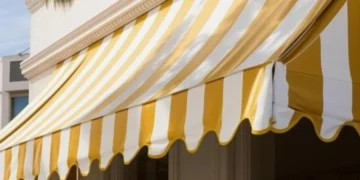
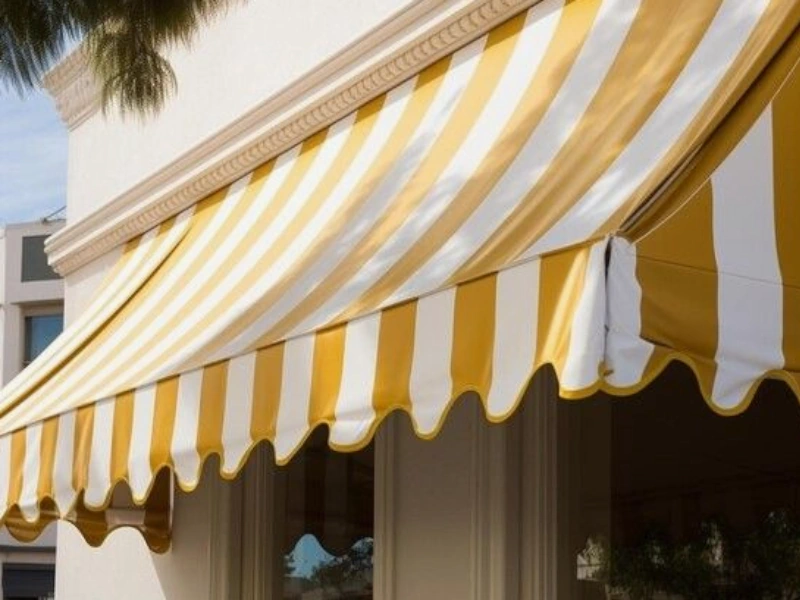
The most obvious indicator is aesthetic degradation. If you notice significant color fading or bleaching, it is a sign that the UV-protective coatings have worn away. While the fabric may still hold its shape, it is no longer providing the same level of sun protection for your patio furniture or your home’s interior. Beyond color, look for signs of physical wear. Fraying edges, small tears, or thinning fabric are common as materials age.
We also recommend paying close attention to the seams. If you see light filtering through the stitching or notice the fabric pulling away from the roller tube or the front bar, the structural integrity of the cover is compromised. Another critical sign is sagging. If the fabric pools with water during a rain shower instead of shedding it, the material has likely lost its tension and elasticity. Finally, look for persistent mold or mildew stains. While minor surface dirt can often be cleaned, deep-seated mildew that returns shortly after cleaning suggests the protective finish of the fabric has been exhausted, making it a prime candidate for a professional update.
Popular Fabric Materials for Residential Awnings
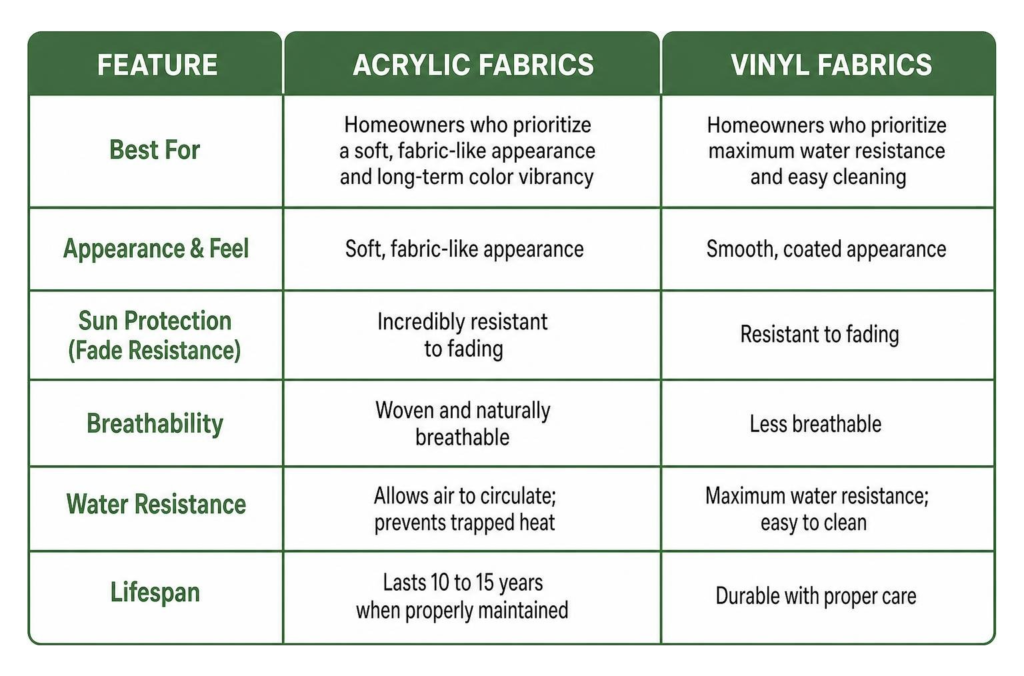
When the time comes to refresh your shade system, selecting the right material is the most important decision you will make. The two most common choices for residential applications are solution-dyed acrylic and vinyl-coated composites. Each offers distinct advantages depending on your specific needs for shade, water resistance, and aesthetic preference.
Acrylic Fabrics for Awning Fabric Replacement
Solution-dyed acrylic is widely considered the gold standard for residential awnings. Because the color pigment is added during the liquid acrylic stage before the fibers are spun, the resulting fabric is incredibly resistant to fading. These fabrics are woven, which makes them naturally breathable; this allows air to circulate, preventing the buildup of trapped heat underneath the canopy. For homeowners who prioritize a soft, fabric-like appearance and long-term color vibrancy, acrylic is an excellent choice. When properly maintained, these high-quality fabrics can easily last 10 to 15 years.
Vinyl and Composite Options in Awning Fabric Replacement
For those who live in areas prone to heavy, consistent rainfall, vinyl or vinyl-composite fabrics are often preferred. These materials are typically laminated or coated with PVC, creating a completely waterproof barrier. Because they are non-porous, they are exceptionally easy to clean—often requiring nothing more than a quick rinse or a gentle wipe-down. While they may not offer the same “breathable” feel as acrylic, their durability against water pooling and their resistance to tearing make them a powerhouse for heavy-duty shade protection.
Step-by-Step Overview of the Fabric Replacement Process
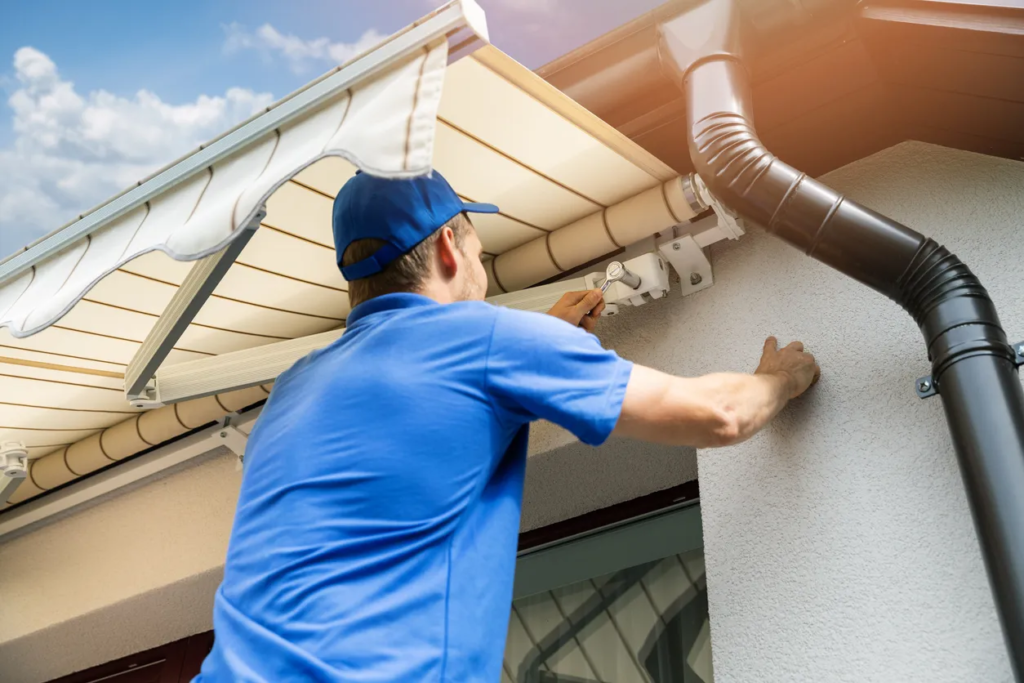
The process of replacing your awning fabric is a precise operation that balances technical skill with careful handling. It begins with a comprehensive inspection of your existing frame. Even if the fabric is failing, the mechanical components—such as the arms, the roller tube, and the mounting brackets—may be in perfect working order. We verify that the frame is level, structurally sound, and that the tension springs are operating within their specified safety parameters.
Once the frame is cleared for reuse, we take exact measurements. Because every awning has unique dimensions, we ensure the custom-cut fabric fits perfectly to prevent future sagging or uneven tension. The actual installation involves carefully removing the old cover, cleaning the roller tube of any debris, and feeding the new material into the track system. This requires proper alignment to ensure the awning retracts and extends smoothly without binding. Finally, we calibrate the pitch and tension of the arms to ensure the fabric remains taut, providing a clean, professional look that enhances your home’s exterior. For those interested in the technical nuances of this process, our resource on professional awning fabric replacement provides deeper insight into why precision matters during installation.
Maintaining and Extending the Lifespan of New Awning Fabric
Protecting your investment starts the day after installation. Regular maintenance is the single most effective way to ensure your new fabric lasts for its full expected lifespan. We recommend a simple, routine cleaning schedule using a soft-bristle brush and a solution of mild, pH-neutral soap mixed with lukewarm water. Avoid using harsh detergents or pressure washers, as these can strip the protective water-repellent finish from the fabric.
After cleaning, always ensure the fabric is thoroughly rinsed to remove all soap residue, which can otherwise attract dirt. Perhaps the most important maintenance tip is to allow the fabric to air dry completely before retracting it. Rolling up a wet awning is the fastest way to encourage mold and mildew growth. Additionally, be mindful of the weather. During high winds or heavy storms, it is best practice to keep your awning fully retracted. This protects the fabric from being whipped by the wind and prevents the frame from being subjected to unnecessary stress. By following these simple habits, you can keep your outdoor space looking pristine for years to come.
Frequently Asked Questions About Awning Fabric Replacement
How long does the on-site fabric replacement process take?
For most residential projects, the actual on-site installation is completed within a few hours. However, the total timeline includes the initial consultation, measurement, and the custom fabrication of your new material. Once the fabric is ready, our team works efficiently to calibrate the frame and install the new canopy to ensure everything operates smoothly.
Can homeowners perform awning fabric replacement as a DIY project?
While there are DIY kits available, we generally recommend professional installation. Awning frames, particularly retractable models, are under significant spring tension. Attempting to disassemble or adjust these components without the correct tools and training can be dangerous. Furthermore, professional installation guarantees that the fabric is tensioned correctly, which is essential to prevent premature wear and ensure the awning aligns perfectly when closed.
What is the average lifespan of newly replaced awning fabric?
With high-quality materials and consistent maintenance, you can expect your replacement fabric to last between 10 and 15 years. Factors such as the amount of direct sun exposure, the local climate, and how diligently you follow cleaning and storage recommendations will influence the exact longevity of the material.
Conclusion
Refreshing your home’s exterior doesn’t always require a total overhaul. By choosing to replace the fabric on your existing awning, you can revitalize your patio, improve your home’s curb appeal, and regain the comfortable, shaded outdoor living space you enjoy during the beautiful Charles Town seasons. It is a practical, sustainable, and cost-effective way to maintain your home’s value while ensuring you have a reliable retreat from the sun. When you are ready to explore your options and select the perfect material for your home, we are here to help you every step of the way.