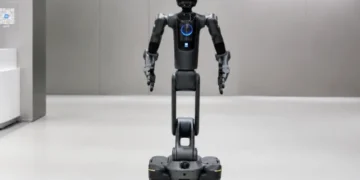











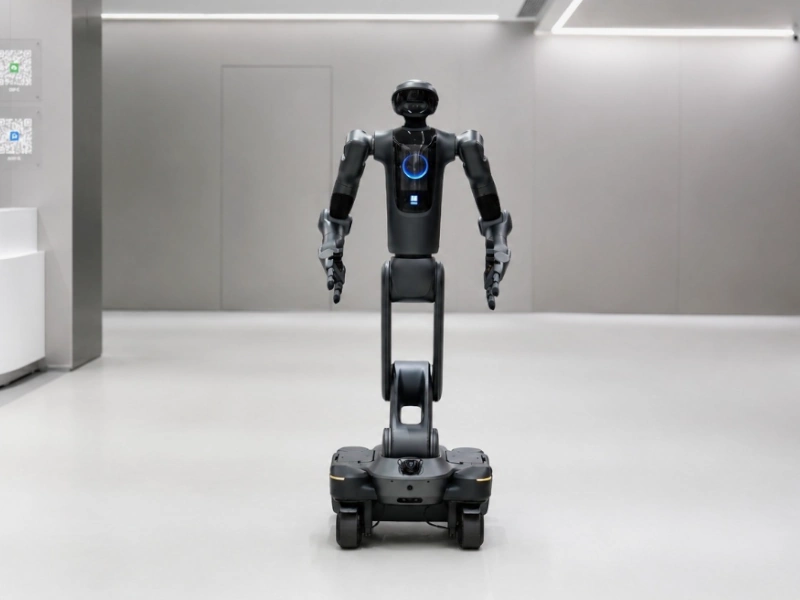
Ponas robotas is, at its core, one of the simplest phrases you could ask about: two Lithuanian words that together mean “Mr. Robot.” That’s the honest, complete answer. Yet a search for ponas robotas turns up at least seven or eight lengthy articles describing it as an emerging technology category, a new generation of AI-powered home and companion robots, complete with market growth statistics, feature comparison tables, and technical breakdowns of sensors and machine learning. This article gives the real, simple meaning first, then explains exactly how, and why, that simple translation got inflated into a fabricated tech trend.
What Ponas Robotas Actually Means
Ponas robotas translates directly from Lithuanian to “Mr. Robot.” Ponas is the formal Lithuanian title used to address a man respectfully, equivalent to “Mr.” or “Sir” in English. Robotas simply means robot. Put together, the phrase gives a robot a polite, almost human title, similar to how English speakers might playfully refer to “Mr. Roboto” or any machine given a respectful nickname.
The phrase’s clearest and most concrete real-world use is as the Lithuanian title associated with Mr. Robot, the American television series about hacking, cybersecurity, and corporate power. Lithuanian media and streaming platforms have used “Ponas Robotas” when referring to the show, which is a straightforward, verifiable translation fact rather than anything requiring further interpretation.
Where the Inflation Begins
Beyond this simple translation, numerous articles have taken the phrase and transformed it into something it was never originally intended to describe: an entire category of advanced, AI-driven robotics. These articles describe ponas robotas as “a conceptual representation of advanced AI and robotics systems capable of autonomous learning and decision-making,” or as “a catch-all term for smart, AI-driven robotic systems designed to interact naturally with humans.”
This is a significant leap from a two-word formal translation to a supposed technology category, and none of these articles explain how or when this translation phrase actually came to be used this way within the robotics industry, by whom, or in what original context.
The Telling Sign: Articles That Ask “Is This Even Real?”
The clearest evidence that this technology framing is fabricated comes directly from the articles promoting it. Nearly every one includes a section asking some version of “Is ponas robotas a real robot?” or “Is ponas robotas an actual thing?” or “Is ponas robotas a specific product or brand?” The answers consistently hedge rather than commit: “No, it is generally used as a symbolic or conceptual term rather than a specific physical robot.” “No single product owns the name.” “Not necessarily. It is more of a concept or phrase used to describe robots or AI systems in general.”
A genuine, established technology category or market segment doesn’t require this kind of built-in disclaimer. When an article has to directly address whether its own subject is real before continuing to describe its supposed features and market growth at length, that disclaimer is the most important piece of information in the entire article, not a minor caveat to skim past.
Fabricated Statistics Attached to a Translation
One article goes further, citing a specific market research statistic, claiming the global smart robots market “surpassed USD 23.92 billion in 2025 and is projected to cross USD 214.02 billion by 2035,” attributed to a named research firm. Even if this specific market statistic about smart robotics broadly is accurate, attaching it directly to “ponas robotas” as though this simple Lithuanian phrase represents or drives that entire market is a significant and unsupported leap. A real market statistic about an unrelated, genuine technology trend does not become evidence for a fabricated concept simply by being placed next to it in the same article.
Why This Specific Pattern Is Worth Recognizing
What makes ponas robotas a particularly useful case study is that, unlike many fabricated trending terms built around entirely invented words, the phrase itself is completely real and has a simple, verifiable meaning. The fabrication here isn’t in the phrase’s existence, it’s in the elaborate, unsupported technology narrative layered on top of an otherwise mundane translation. This is a slightly different, and in some ways more deceptive, version of the pattern seen elsewhere: rather than inventing a new word from nothing, this approach takes something real and small and inflates it into something that sounds far more significant than it actually is.
This likely happens because translation phrases, especially ones connected to a recognizable pop culture reference like Mr. Robot, can generate search interest from people simply curious about the literal meaning. Content built to capture that search traffic then has an incentive to expand a simple, two-sentence answer into a much longer article, and “advanced AI and robotics concept” is a far more expandable topic than “it’s just the Lithuanian word for Mr. Robot.”
How to Evaluate Similar Cases
When a simple, verifiable translation or phrase is described as representing an entire technology trend, category, or market, a few checks help clarify what’s actually going on. Does the article explain, with any specificity, how the translation phrase came to describe this broader concept, and who started using it that way? Does the article directly ask whether its own subject is real, and if so, how does it answer that question, with a clear yes, or with a hedge? Is a market statistic or technical detail about a genuinely real, unrelated trend being placed next to the term as though it provides supporting evidence, without actually connecting the two logically?
Final Thoughts
Ponas robotas simply means “Mr. Robot” in Lithuanian, most notably recognized as the Lithuanian title for the television series Mr. Robot. The elaborate technology concept built around this phrase across numerous articles, describing an entire category of AI-driven smart robotics complete with market statistics and feature comparisons, is not supported by any clear origin, named source, or consistent definition, and several of the very articles promoting this framing openly hedge on whether ponas robotas refers to anything real at all. The honest, complete answer remains the simple one: it’s a translation, not a technology trend.

