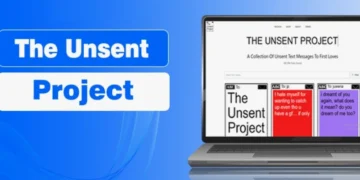





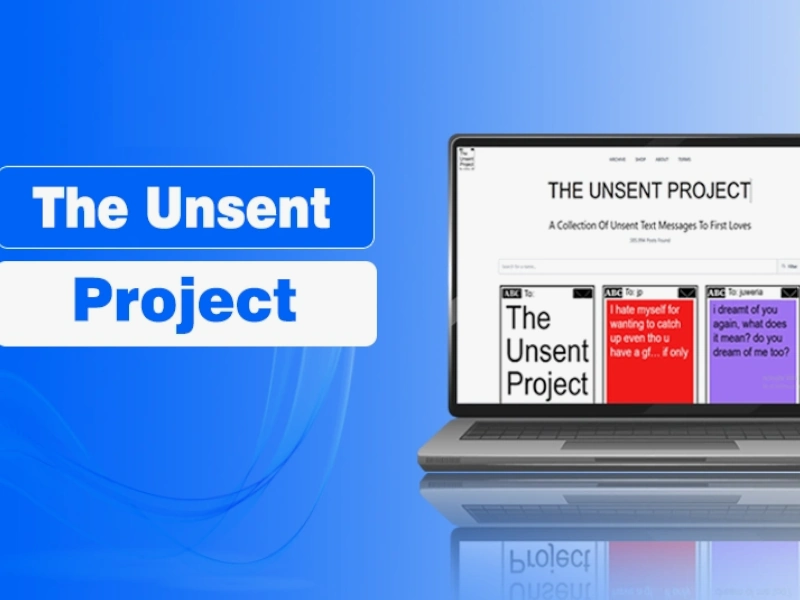
Somewhere between a diary entry and a text message left permanently in a drafts folder lives The Unsent Project, an ongoing art archive that has grown into one of the most widely recognized digital spaces for anonymous emotional expression. Created by artist Rora Blue in 2015, the project has expanded from a small personal experiment into a collection of millions of anonymously submitted messages, each one displayed against a color chosen to represent the emotion behind it.
This article explains what The Unsent Project actually is, how it works, the meaning behind its use of color, and why it has resonated so widely with people around the world.
What The Unsent Project Actually Is
The Unsent Project is an ongoing conceptual art piece and digital archive made up of text messages that people wrote but never actually sent, most commonly addressed to a first love. Contributors submit their messages anonymously through the project’s official platform, and each submission is displayed publicly as a short piece of text set against a colored background chosen by the person who submitted it.
While the project originally centered specifically on messages to first loves, the scope of who these unsent messages are addressed to has expanded considerably over time. Submissions have been written to former partners, close friends, family members, siblings, and even pets, reflecting a much broader range of unspoken emotional connections than the project’s original framing suggested.
The Origin of the Project
Rora Blue started The Unsent Project in 2015, initially driven by a specific curiosity, trying to understand what color people associate with love. To explore this question, Blue began inviting people to submit unsent messages and to select a background color representing the emotion tied to that particular message, allowing the resulting archive to reveal patterns in how people connect specific colors to specific emotional experiences.
What began as a relatively small, personal creative inquiry has since grown dramatically. Early coverage of the project referenced collections in the range of thirty to forty thousand submitted messages, while more recent figures describe the archive as having grown to include well over five million submissions from contributors around the world, reflecting the project’s substantial and sustained growth over the past decade.
The Meaning Behind the Colors
A defining feature of The Unsent Project is its consistent use of specific colors to represent different emotional categories. According to reporting on the project, submissions are generally sorted into eleven color categories, including black, white, grey, red, orange, yellow, green, blue, pink, purple, and brown, each intended to correspond to a particular emotional tone.
Black submissions are generally associated with feelings of darkness or despair, often connected to painful experiences like betrayal or a difficult breakup. White frequently represents the feeling of missing someone and wishing circumstances had remained unchanged. Grey is often associated with pain paired with a degree of understanding or acceptance. This structured use of color across the archive allows visitors to browse the collection not just by searching for specific names, but by exploring messages that share a particular emotional tone, creating a unique, mood based way of navigating an otherwise enormous collection of deeply personal text.
Who Created The Unsent Project
Rora Blue is an American visual artist, fashion designer, and model whose broader body of work focuses on themes including sexuality, gender, and disability, frequently informed by personal experience as a member of multiple marginalized communities. Blue’s artistic practice centers heavily on text based art, interactive installations, and the relationship between color and emotional experience, themes that extend well beyond The Unsent Project into other works.
Beyond The Unsent Project, Blue has created related works exploring similar themes of unspoken communication, including After the Beep, a collection of voicemail messages that people could not bring themselves to delete from their phones, following a similar color based emotional categorization approach. Blue holds a Bachelor of Fine Arts in New Genres from the San Francisco Art Institute and has continued graduate studies in fine arts, alongside receiving recognition including an Emerging Young Artist Award from the John F. Kennedy Center.
How the Project Functions Today
The Unsent Project operates as an ongoing, continuously updated digital archive, allowing new submissions to be added regularly. Visitors to the project’s platform can browse submissions by searching for specific names that might be mentioned within messages, filtering by color to explore a particular emotional theme, or simply scrolling through the archive more broadly. The entire experience is built around anonymity, with no identifying information attached to individual submissions beyond the text and chosen color itself, allowing contributors to share deeply personal, unfiltered emotional content without concern for public identification.
Why the Project Resonates So Widely
Part of the sustained, widespread appeal of The Unsent Project lies in its ability to tap into a nearly universal human experience, the words left unsaid to someone significant in our lives, whether due to fear, timing, unresolved conflict, or circumstances that made sending the message impossible. Reading through the archive often creates a distinct sense of shared, collective emotional experience, offering visitors a reminder that the specific mix of regret, longing, love, or unresolved feeling they may be navigating themselves is something many others have also experienced and expressed.
This combination of anonymity, emotional authenticity, and the project’s distinctive visual presentation through color has helped The Unsent Project maintain relevance and continued growth for close to a decade, standing out within the broader landscape of participatory digital art projects.
A Space for Emotional Processing
Beyond its function as an art archive, The Unsent Project has been described by its creator and by those covering it as serving a genuinely cathartic purpose for many contributors, offering an outlet for processing unresolved emotions connected to relationships, whether romantic, platonic, or familial. Submitting a message, even anonymously and without ever sending it to its intended recipient, can offer a meaningful sense of release or closure for people carrying unspoken feelings.
Final Thoughts
The Unsent Project stands as a distinctive example of participatory digital art, transforming millions of individually submitted, deeply personal unsent messages into a collective, color coded archive of human emotion. Created by artist Rora Blue in 2015 out of curiosity about the relationship between color and love, the project has grown far beyond its original scope, now encompassing a vast range of unspoken words directed at first loves, friends, family members, and more. Its enduring appeal lies in its simple but powerful premise, giving voice, color, and a lasting place to the words so many people write but never find a way to send.