












What Is Lotology?
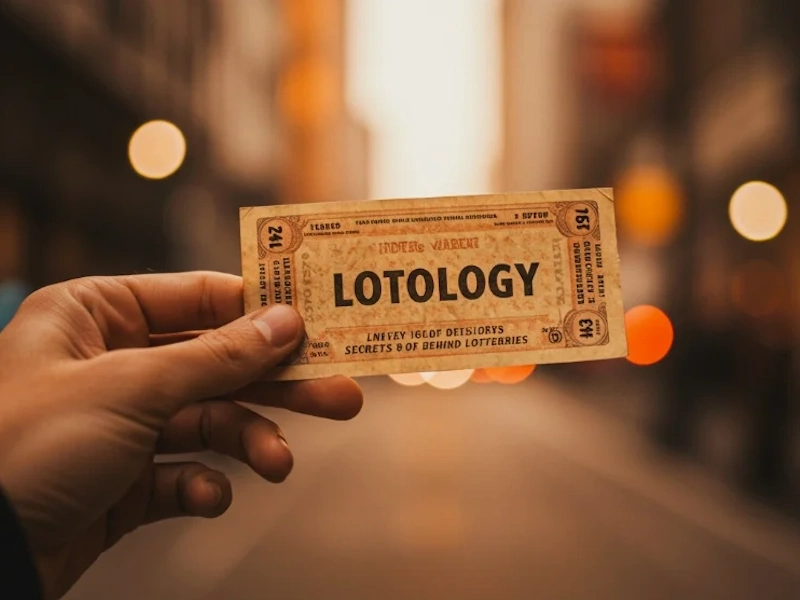
Lotology is the hobby and study of collecting lottery tickets. Much like philately covers stamp collecting and numismatics covers coins and currency, lotology gives a name to enthusiasts who gather, preserve, and study lottery tickets from around the world. A person who practices this hobby is often referred to as a lotologist.
While it may sound like a niche pursuit, lotology has a surprisingly rich history and a dedicated community of collectors who value lottery tickets not for their chance of winning, but for what they represent: design history, government record-keeping, cultural memory, and even economic history. A losing ticket from a defunct lottery can, ironically, become far more valuable to a collector than it ever was as a gamble.
The Origins of Lottery Ticket Collecting
Lotteries themselves date back thousands of years, with early forms recorded in ancient China, Rome, and Renaissance Europe. Governments and organizations used lotteries to fund public works, wars, charities, and infrastructure projects. As printed tickets became more common from the 17th century onward, they began to carry elaborate artwork, official seals, and unique serial numbering — features that naturally appealed to collectors of ephemera.
Ephemera collecting, broadly speaking, refers to gathering paper items that were originally meant to be temporary or disposable: tickets, postcards, playbills, and similar items. Lottery tickets fit neatly into this category, and as lotteries spread globally, so did the practice of preserving them. What started as an incidental byproduct of ephemera collecting eventually grew into its own recognized specialty, complete with dedicated clubs, exhibitions, and reference catalogs.
Why People Collect Lottery Tickets
There are several reasons collectors are drawn to lotology, and most of them go far beyond the numbers printed on the ticket.
Historical value. Old lottery tickets often document specific moments in a country’s or region’s history. A ticket issued to fund a bridge, a hospital, or a war effort tells a story about the priorities and challenges of its era.
Artistic design. Many vintage lottery tickets feature intricate illustrations, national symbols, historical figures, or thematic artwork tied to a specific draw or holiday. Some are considered miniature works of graphic art in their own right.
Rarity and scarcity. As with any collectible, age and limited survival rates increase value. Tickets from short-lived lotteries, wartime issues, or early government-run draws are especially prized because so few examples remain in good condition.
Cultural and regional connections. Collectors often specialize in tickets from a particular country, city, or organization, building focused collections that reflect personal heritage or specific historical interests.
Nostalgia. For some, collecting lottery tickets connects to personal memory, a family member’s habit of playing, a hometown lottery, or a specific era they lived through.
Types of Lottery Tickets Collected
Lotology covers a wide range of ticket types, and understanding these categories helps new collectors decide where to focus.
- State and national lottery tickets issued by government lottery commissions.
- Charity lottery tickets, often tied to hospitals, schools, or nonprofit causes.
- Historical or antique tickets, sometimes dating back centuries, from lotteries that no longer exist.
- Wartime lottery tickets, issued to raise funds during conflicts.
- Scratch-off and instant-win tickets, a more modern category that has grown alongside instant lottery games.
- Foreign and international tickets, collected for their unique designs and cultural context.
Some collectors aim for breadth, acquiring tickets from as many different lotteries and countries as possible. Others pursue depth, focusing on a single lottery series, decade, or theme and trying to complete a full set.
How Lotology Compares to Other Collecting Hobbies
Lotology shares many characteristics with other paper-based collecting disciplines. Like philately, it relies on cataloging, condition grading, and provenance. Like numismatics, it often involves tracking issue dates, print runs, and rarity. And like general ephemera collecting, it values items precisely because they were never meant to last.
What sets lotology apart is its connection to chance and hope. A lottery ticket was originally purchased with the possibility of a life-changing win. That emotional weight — dreams captured on a small piece of printed paper- gives lottery tickets a unique appeal that other collectibles don’t quite replicate.
Getting Started With Lottery Ticket Collecting
For anyone interested in exploring lotology, a few practical steps can help build a solid foundation:
- Start local. Collecting tickets from your own country or region is often the easiest entry point, since these items tend to be more accessible and affordable.
- Focus on condition. As with most paper collectibles, tickets in excellent condition, free from tears, stains, or fading, hold significantly more value.
- Research before buying. Understanding which lotteries, years, or designs are considered rare will help avoid overpaying for common items.
- Store tickets properly. Acid-free sleeves, albums, or archival folders help preserve paper tickets from deterioration over time.
- Connect with other collectors. Online forums, ephemera collecting groups, and philatelic societies sometimes include lotology enthusiasts who can offer guidance, trades, and authentication help.
The Value and Market for Lottery Tickets
While most everyday lottery tickets hold little to no resale value, certain categories command real interest among serious collectors. Extremely old tickets, tickets tied to historically significant events, tickets with printing errors, or tickets from short-run charity lotteries can sell for meaningful sums at auctions or specialty ephemera sales. As with any collectible market, value is driven by a combination of age, rarity, condition, and demand among collectors.
It’s worth noting that lotology is generally pursued as a historical and aesthetic hobby rather than a financial investment strategy. Most collectors are motivated by curiosity and appreciation for the artifacts themselves, not by expectations of significant monetary return.
Final Thoughts
Lotology may not be as widely recognized as stamp or coin collecting, but it occupies a fascinating corner of the broader world of ephemera and historical collectibles. Every lottery ticket, whether a winner or a loser in its original context, carries a small piece of the era it came from, its artwork, its purpose, and the hopes of the person who once held it.
For collectors drawn to history, design, and the stories printed paper can tell, lotology offers a rewarding and often surprisingly deep hobby to explore.