








Most of us open a social app without deciding to. A thumb moves, a feed loads, and twenty minutes disappear. Social media is not good or bad on its own. It is a tool, and like any tool, the results depend on how you hold it. Here is a clear look at what it does well, where it causes trouble, and how to build habits that keep it useful.
What social media actually is
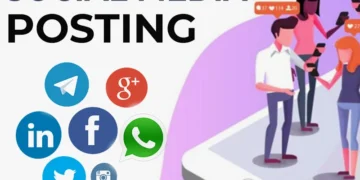
Social media covers any online platform where people create, share, and react to content. That includes photo and video apps, short clip feeds, discussion forums, professional networks, and messaging communities. What they share is a loop: you post or scroll, you get a reaction, and that reaction makes you want to come back.
That loop is the key to understanding everything else. These platforms are built to hold attention, because attention is what they sell to advertisers. Knowing this does not make you immune, but it does help you stay a step ahead.
The real benefits
It is easy to criticize social media, but the upsides are real.
- Connection across distance. Families, friends, and classmates can stay in touch even when they live in different countries.
- Free learning. Experts and teachers share tutorials, explanations, and demonstrations on almost every subject, often at no cost.
- Opportunity. Freelancers, small shops, and job seekers can reach people they could never have reached a generation ago.
- Community. People with rare hobbies, health conditions, or interests can find others who understand them.
Where problems creep in
The trouble rarely comes from one big mistake. It builds slowly through small habits.
- Lost time. Endless feeds have no natural stopping point, so a quick check turns into an hour without much effort.
- Shaky focus. Constant notifications train the brain to expect interruptions. After a while, sitting with a single task for a long stretch starts to feel uncomfortable.
- Comparison. People tend to post their best moments. Measuring your ordinary day against someone else’s highlight reel can quietly drain your confidence.
- Sleep disruption. Scrolling in bed keeps the mind alert and pushes bedtime later, which affects mood and concentration the next day.
- Misinformation. False claims often spread faster than careful corrections because they are surprising or emotional. Sharing before checking is how many rumors travel.
Habits that make a difference
You do not need to delete every app. Small, deliberate changes usually work better than dramatic ones.
- Switch off most notifications. Keep alerts only for people and messages that truly matter. Everything else can wait until you choose to look.
- Set a window. Decide when you will check your feeds, perhaps once at midday and once in the evening, rather than reaching for your phone whenever you feel bored.
- Move the apps. Pulling them off your home screen adds a small pause, and that pause is often enough to break the automatic habit.
- Charge your phone away from the bed. An ordinary alarm clock lets you leave the screen outside the bedroom.
- Follow with purpose. Review the accounts you follow. Keep those that teach you something or make you feel good, and drop the ones that leave you irritated or envious.
- Pause before you share. Ask who published the claim, whether other reliable sources report it, and whether it might be old or out of context.
Using it well for learning and work
Social platforms can support your goals if you point them in that direction. Follow teachers and professionals in your field, save useful posts to a dedicated folder, and join groups where people ask thoughtful questions. When you need deep concentration, put your phone in another room. Even having it face down on the desk can pull at your attention.
It also helps to ask yourself a simple question when you open an app: what am I here for? If you have an answer, such as replying to a friend or watching one tutorial, do that and close the app. If you have no answer, that is a useful sign to put the phone down.
Keeping a healthy relationship
A good test is how you feel afterward. If you usually come away informed, connected, or inspired, your habits are probably working. If you often feel drained, anxious, or behind, it is time to adjust. Take breaks when you need them, and remember that real conversations and offline activities deserve their share of your time.
Final thoughts
Social media is part of modern life, and it is not going away. The goal is not to escape it but to use it on your own terms. With a few boundaries, careful choices about who you follow, and a habit of checking before you share, you can enjoy what it offers while protecting your time, focus, and peace of mind.