












Nutritional Profile and Health Benefits of Sweet Potatoes for Dogs
As devoted dog owners, we constantly seek wholesome and safe treats for our furry family members. The good news is that creating nutritious snacks at home is simpler than you might think. Among the best options are those made from humble sweet potatoes, a natural ingredient packed with benefits.
This article will guide us through everything we need to know about making healthy, homemade baked sweet potato dog treats. We’ll explore the impressive health benefits and nutritional considerations of sweet potatoes for dogs. We’ll also provide simple recipes, detail safe ingredients to add (and avoid), and give you the best methods for baking and storing these delicious chews. Whether your dog spends the day playing at a local facility or relaxing at home, we’ll help you ensure their snacks are both tasty and beneficial.
Sweet potatoes are a popular ingredient in both human and canine diets, and for good reason. They are often hailed as a “superfood” for dogs, offering a range of health benefits when prepared correctly. Unlike white potatoes, which are a more neutral starch, sweet potatoes boast a richer nutritional profile, providing more fiber and natural sugars, along with a distinct flavor and browning properties when cooked. However, it’s important to view them as a valuable ingredient rather than a standalone health supplement, ensuring they fit within your dog’s overall treat allowance.
Sweet potatoes are primarily composed of water and starch, with a notable percentage of fiber, a small amount of protein, and almost no fat. This makes them an excellent low-fat option for many dogs.
Let’s look at a qualitative comparison of sweet potatoes versus white potatoes for dogs:
Feature Sweet Potatoes White Potatoes Fiber Content Higher Lower Natural Sugar Higher (maltose formed during cooking) Lower Vitamins Rich in Vitamin A (beta-carotene), Vitamin C Contains some Vitamin C, B6 Minerals Good source of Potassium Contains Potassium Antioxidants High (beta-carotene) Lower Binding Excellent (starch gel) Good (neutral starch) Browning More pronounced Less pronounced Calorie Density Generally higher per serving due to sugars Can be high depending on preparation Essential Vitamins and Dietary Fiber
One of the most significant advantages of sweet potatoes for dogs is their abundance of essential vitamins and dietary fiber. They are an excellent source of beta-carotene, which the canine body converts into vitamin A. This vitamin is crucial for maintaining healthy vision, supporting immune function, and promoting skin and coat health. Additionally, sweet potatoes are rich in vitamin C, a powerful antioxidant that helps combat free radicals and supports overall immune system strength.
The dietary fiber content in sweet potatoes plays a vital role in digestive health. This fiber aids in gut motility, helping to regulate bowel movements and prevent constipation. It also acts as a prebiotic, fostering the growth of beneficial gut bacteria, which can improve nutrient absorption and contribute to a healthier digestive system. For dogs with occasional digestive upset, a small amount of cooked sweet potato can often help soothe their stomachs.
Carbohydrate Density and Caloric Considerations
While sweet potatoes offer numerous benefits, it’s crucial to consider their carbohydrate density and caloric content. A small sweet potato, for instance, contains approximately 100 kilocalories (kcal) and about 7 grams of sugar. This natural sugar, particularly maltose which forms during cooking, contributes to their palatability but also means moderation is key, especially for dogs on high-carb kibble diets or those prone to weight gain.
Dried sweet potato chews, in particular, can be calorie-dense. What might feel like a light treat in your hand can quickly add up in calories, making it easy to over-serve. For this reason, we recommend keeping sweet potato treat calories to roughly 10% of your dog’s daily intake. Overfeeding can lead to excess sugar and calories, potentially contributing to obesity or exacerbating conditions like diabetes. Always monitor portion sizes and introduce new treats gradually to observe your dog’s digestive response.
How to Make Single-Ingredient Baked Sweet Potato Dog Treats
Making single-ingredient baked sweet potato dog treats is one of the simplest and most rewarding ways to provide a healthy snack for your canine companion. This method often involves oven dehydration, which transforms fresh sweet potato slices into chewy or crispy delights. The primary goal is to remove moisture slowly, concentrating the natural flavors and sugars while preserving nutrients. When we talk about healthy options for our furry friends, these homemade snacks are a fantastic choice, especially for dogs who enjoy spending their days at a place like a baked sweet potato dog treats friendly facility.
Slicing and Prepping for Chewy vs. Crispy Textures
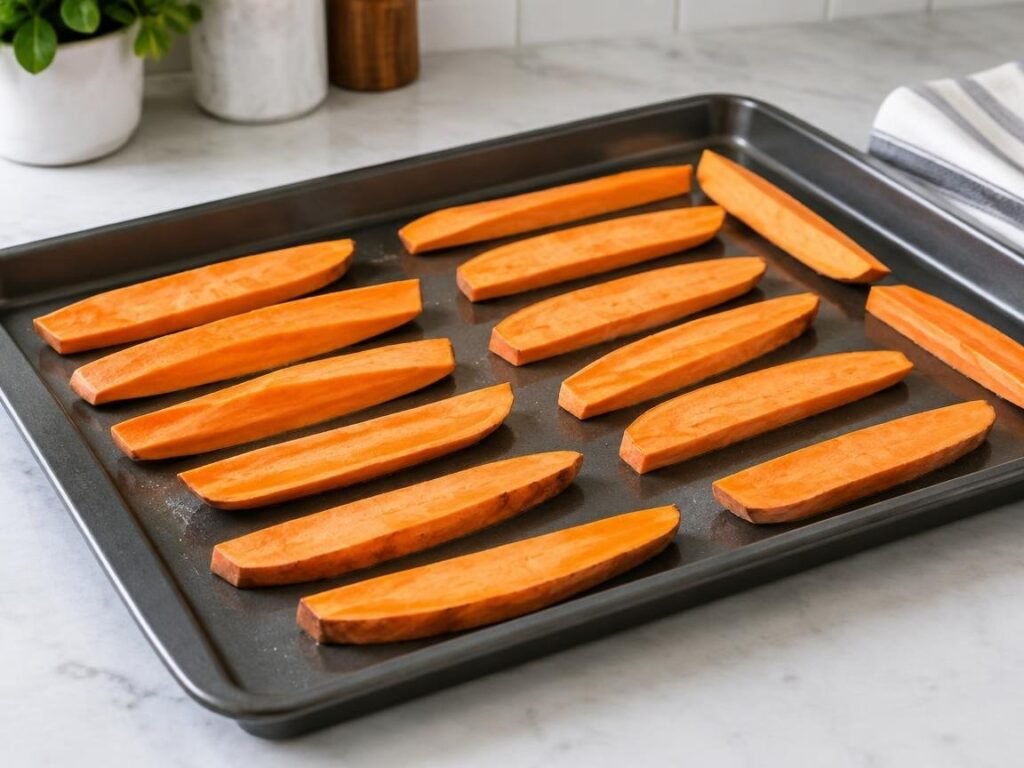
The texture of your finished sweet potato treats largely depends on how you slice and prepare them. For a chewier treat, aim for thicker slices, typically around 1/4 to 1/2 inch. These thicker planks retain more moisture, resulting in a flexible, satisfying chew. If you prefer crispier chips, thin slices, about 1/16 inch thick, are ideal. A mandoline slicer can be incredibly helpful for achieving uniform thickness, which is crucial for even baking and consistent texture. In October 2026, many home cooks find a mandoline to be an indispensable tool for this task.
Before slicing, thoroughly scrub your sweet potatoes. Peeling is optional; while the skin is edible once cooked and adds coarse fiber, some dogs may find it harder to digest, and it can pose a slight choking hazard for very small dogs or those who gulp their food. For maximum safety and digestibility, especially for sensitive pups, we often recommend peeling. After slicing, arrange the pieces on an ungreased baking sheet, ensuring there’s enough space between each piece for air circulation. This helps promote even moisture loss and prevents steaming.
Low-and-Slow Baking Method for Chews
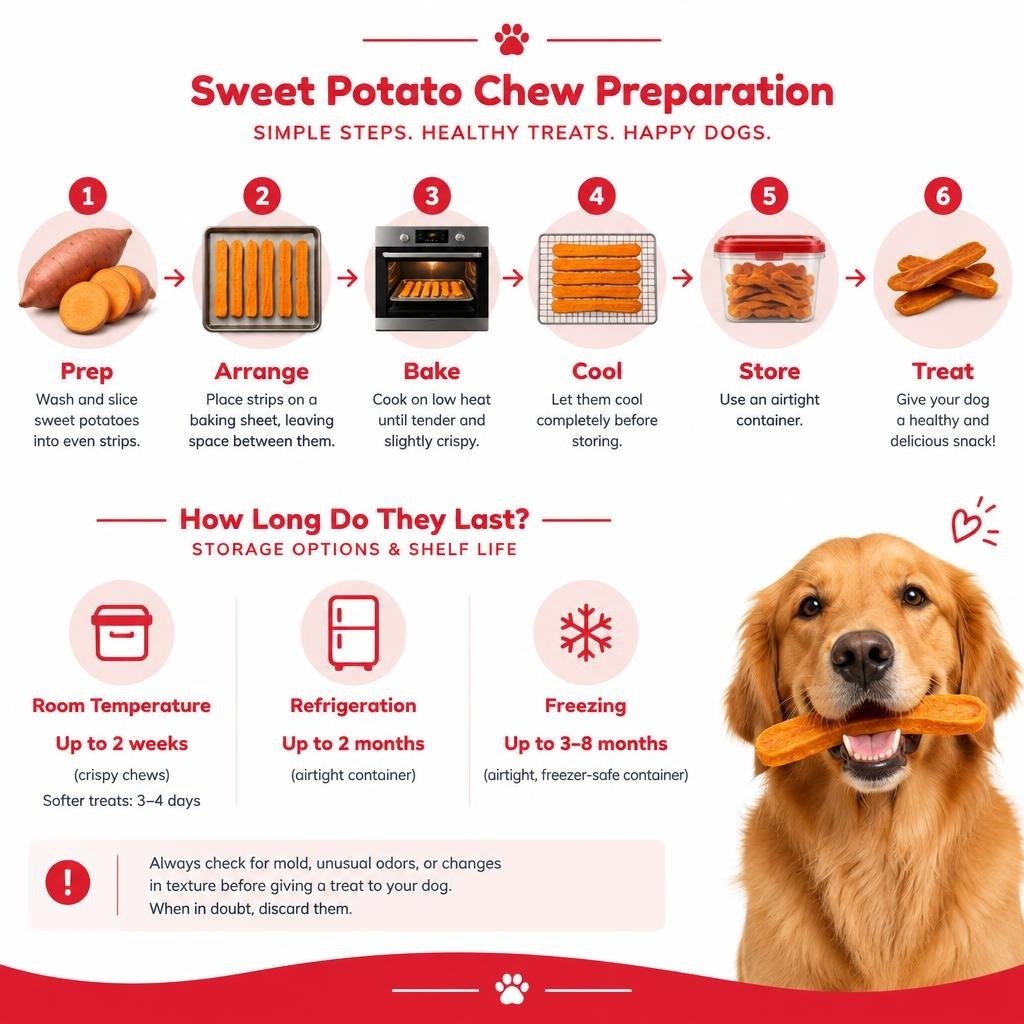
The key to perfect baked sweet potato chews is the “low-and-slow” baking method. This process gradually dehydrates the sweet potato, rather than quickly cooking it, which helps achieve that desirable chewy texture without burning.
Here’s a general guide:
- Preheat your oven to 250°F (120°C). This low temperature is essential for dehydration.
- Arrange slices on an ungreased baking sheet, leaving space between them.
- Bake for 2-3 hours. The exact time will depend on the thickness of your slices and your oven’s calibration.
- Flip the slices halfway through the baking time to ensure even drying.
- Monitor closely towards the end. You’re looking for a firm, leathery texture for chews, or brittle for chips.
- Cool completely on a wire rack. As they cool, they will continue to firm up.
According to our research, sweet potato chews baked at 250°F for 2-3 hours can yield about 15-20 chews per 2-3 medium sweet potatoes, with each chew containing approximately 50 calories. For crispier chips, some recipes suggest baking at a higher temperature, such as 375°F (190°C) for about 12 minutes, which can produce around 50 chips from one large sweet potato. This method results in a quicker bake but requires very thin slices and close monitoring to prevent burning. The slower, lower temperature method also helps in the natural formation of maltose, enhancing the sweet flavor without any added sugars.
Multi-Ingredient Variations and Safe Add-Ins
While single-ingredient sweet potato chews are fantastic, we understand that sometimes you might want to add a little extra flavor or nutritional boost to your homemade treats. The good news is that many common pantry items are perfectly safe and beneficial for dogs. However, it’s crucial to know which ingredients are safe and which should be avoided at all costs.
Here’s a comparison of common safe additions versus toxic ingredients:
Category Safe Supplemental Ingredients Toxic/Harmful Ingredients (Avoid!) Flours/Grains Oat flour, Rolled oats, Whole wheat flour (if no allergy) White flour (in excess), Corn, Soy (if sensitive) Fats Coconut oil, Olive oil, Flaxseed oil, Fish oil Excessive butter, Trans fats, Fried oils Binders Eggs, Unsweetened applesauce, Pure pumpkin Xylitol (artificial sweetener) Flavor/Spice Ceylon cinnamon (small pinch), Turmeric, Parsley, Ginger, Basil, Mint, Rosemary Garlic, Onions, Chives, Nutmeg, Excessive salt Dairy Plain Greek yogurt (unsweetened) Milk, Cheese (in large amounts, lactose intolerance) Nuts/Seeds Peanut butter (xylitol-free), Flaxseed meal, Chia seeds Macadamia nuts, Almonds, Walnuts, Pecans Fruits Mashed bananas, Blueberries Grapes, Raisins, Avocado Other Low-sodium chicken broth Chocolate, Alcohol, Caffeine Formulating Biscuit Dough with Dog-Safe Ingredients
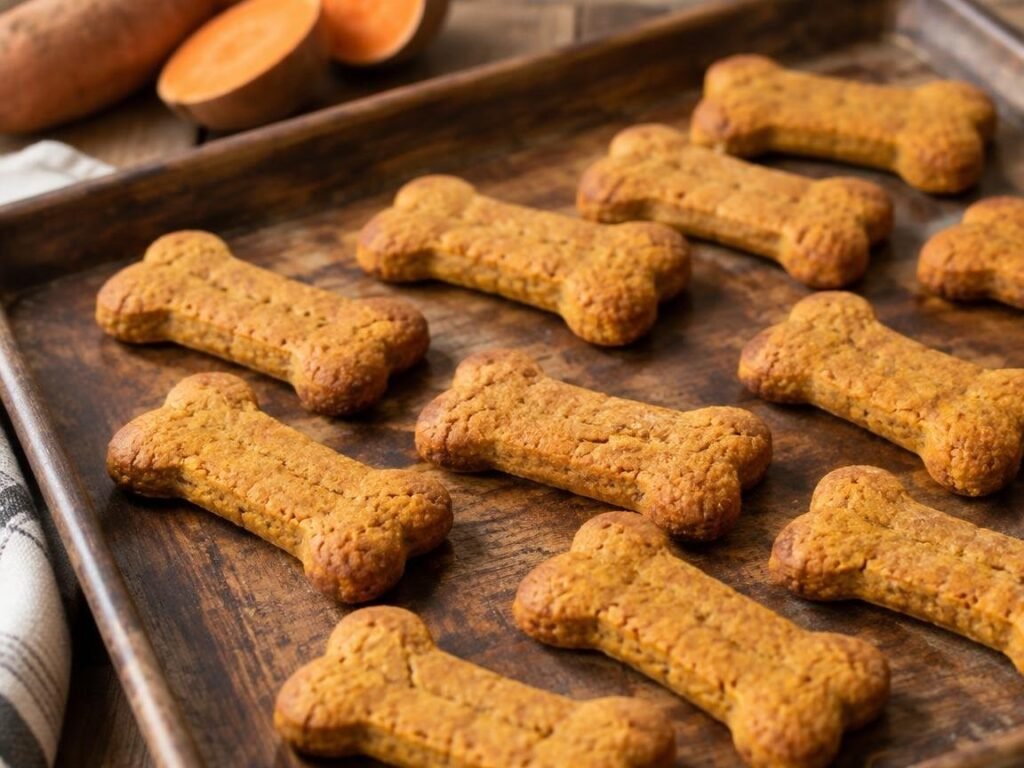
When moving beyond single-ingredient chews to multi-ingredient biscuits, we often combine sweet potato with binders and flours to create a dough. This allows for more varied textures and shapes, like bone-shaped biscuits.
Common dog-safe ingredients we use include:
- Cooked and mashed sweet potato: The base for flavor and moisture.
- Eggs: Act as a natural binder, holding the dough together and adding protein.
- Flour: Whole wheat flour is a popular choice, providing extra nutrition. For dogs with grain sensitivities, gluten-free oat flour or even almond flour are excellent alternatives. Ground oats (made by pulsing rolled oats in a food processor) also work well.
- Unsweetened applesauce or pure pumpkin: These add moisture, natural sweetness, and fiber, and can often reduce the need for additional fat.
- Low-sodium chicken or vegetable broth: Can be used to adjust dough consistency and add a savory note, though we are mindful of sodium content.
To make a basic sweet potato biscuit dough:
- Bake or boil sweet potatoes until very soft, then mash until smooth.
- Combine the mashed sweet potato with beaten eggs, then gradually mix in your chosen flour until a stiff, non-sticky dough forms.
- Roll the dough to about 1/8 to 1/2 inch thickness (thinner for crispier treats, thicker for chewier).
- Use cookie cutters to create fun shapes.
- Bake at around 350°F (175°C) for 15-45 minutes, depending on thickness and desired crispness. Bake until dry and firm to the touch.
For example, a recipe using 2 medium sweet potatoes (about 1 3/4 lbs) combined with eggs, applesauce, and whole wheat flour can yield approximately 50 treats, with each treat containing about 26 calories, 5g carbohydrates, 1g protein, and 1g fiber. Another recipe using a 40 oz can of sweet potatoes, eggs, ground oats, and wheat flour can yield about 30 treats, each with approximately 55 calories.
Customizing Baked Sweet Potato Dog Treats for Sensitive Stomachs
For dogs with sensitive stomachs or specific health needs, we can customize sweet potato treats with beneficial additions.
- Anti-inflammatory spices: A tiny pinch of Ceylon cinnamon (not Cassia cinnamon, which contains higher levels of coumarin) can aid in blood sugar regulation and has anti-inflammatory properties. Turmeric, another powerful anti-inflammatory, can also be added in small amounts. Always introduce new spices gradually and in very small quantities.
- Omega-3 rich seeds: Ground flaxseed meal or chia seeds can be mixed into dough for a boost of omega-3 fatty acids, beneficial for skin, coat, and joint health.
- Probiotics: Plain, unsweetened Greek yogurt can be incorporated for its probiotic benefits, supporting gut health.
- Hypoallergenic options: For dogs with common allergies, opt for gluten-free flours like oat flour or rice flour, and ensure any added ingredients (like peanut butter) are free from common allergens or artificial additives.
When making these variations, remember to always use ingredients that are specifically safe for dogs and avoid any artificial colors, flavors, or preservatives. Our goal is to create wholesome snacks that contribute positively to their health.
Proper Storage, Shelf Life, and Feeding Guidelines
Once you’ve lovingly prepared a batch of baked sweet potato dog treats, proper storage is essential to maximize freshness, prevent spoilage, and ensure they remain safe for your furry friend. Understanding the shelf life of homemade treats is key to responsible pet ownership, as they lack the preservatives found in many commercial products.
Portion Control and Safety Guidelines for Baked Sweet Potato Dog Treats
Even healthy treats require moderation. A general guideline we follow is the “10% rule,” meaning treats should not constitute more than 10% of your dog’s total daily caloric intake. This helps prevent overfeeding and ensures they receive adequate nutrition from their balanced dog food.
Consider the calorie density of sweet potato treats: a small sweet potato itself contains around 100 kcal. While a single treat might be 26-55 calories, these can add up quickly. Dried sweet potato chews, in particular, are calorie-dense, and it’s easy to accidentally over-serve them because they feel lighter than they are.
Beyond calories, safety is paramount:
- Choking hazards: Ensure treats are appropriately sized for your dog’s breed and chewing habits. Larger, chewier pieces might be fine for a big dog, but smaller, softer pieces are better for small breeds or puppies. Always supervise your dog, especially with chews.
- Digestive upset: Introduce new treats gradually. Even healthy ingredients can cause digestive upset if introduced too quickly or in large quantities. Look for signs like diarrhea, vomiting, or excessive gas.
- Calorie density: As mentioned, be mindful of how many treats you’re giving, especially for dogs prone to weight gain or those on weight management diets.
Here’s an estimated daily sweet potato treat allowance based on average dog weight and caloric needs (assuming treats are ~50 calories each and 10% of daily intake):
Dog Weight Class Avg. Daily Calorie Needs Max. Treat Calories (10%) Approx. Number of Treats (50 kcal/treat) Small (10 lbs) 200-275 kcal 20-27 kcal 0.5 treat Medium (30 lbs) 400-600 kcal 40-60 kcal 1 treat Large (70 lbs) 800-1200 kcal 80-120 kcal 1.5 – 2 treats Giant (100 lbs) 1200-1800 kcal 120-180 kcal 2 – 3 treats Note: These are approximations. Consult your veterinarian for precise dietary needs.
Maximizing Freshness Through Refrigerator and Freezer Storage
Homemade treats, without artificial preservatives, have a shorter shelf life than store-bought options. However, with proper storage, we can significantly extend their freshness.
- Room Temperature: Baked sweet potato treats, especially those that are thoroughly dried and crispy, can generally be stored in an airtight container at room temperature for up to 1-2 weeks. If they are softer or contain more moisture, their shelf life at room temperature might be closer to 3-4 days. Always ensure treats are completely cooled before storing to prevent condensation and mold growth.
- Refrigeration: For longer freshness, we recommend storing baked sweet potato treats in an airtight container in the refrigerator. This can extend their shelf life significantly, typically up to 2 months. This is particularly useful for multi-ingredient biscuits that might have more moisture.
- Freezing: For the longest preservation, freezing is your best option. Homemade sweet potato dog treats can be stored in an airtight, freezer-safe container or bag for up to 3-8 months. This is ideal for batch baking, allowing you to have a steady supply of fresh treats. When ready to use, simply thaw them at room temperature or in the refrigerator.
Always inspect treats for any signs of mold, unusual odors, or changes in texture before offering them to your dog. Discard any treats that appear spoiled. Proper storage not only keeps treats fresh but also ensures they remain safe and delicious for your beloved companion.
Frequently Asked Questions About Sweet Potato Dog Treats
As we delve into homemade sweet potato dog treats, several common questions often arise regarding their safety, longevity, and overall suitability for canine companions. We aim to address these comprehensively, drawing from our understanding of canine digestion and nutritional guidelines.
Can dogs eat sweet potato skins safely?
This is a common question, and the answer comes with nuances. While the skin of a sweet potato is technically edible for dogs once cooked, we generally advise caution. Raw sweet potato skin can be particularly tough and fibrous, posing a potential choking hazard, especially for smaller dogs or those who tend to gulp their food. It can also be difficult for some dogs to digest, leading to gastrointestinal upset.
When cooked, the skin softens, but it still adds a coarse fiber that might not agree with all dogs. In commercial treats, the skin is often included or removed during processing without a significant practical difference for most dogs. However, when making treats at home, we recommend peeling the sweet potatoes, especially if your dog has a sensitive stomach or if you’re concerned about choking. This ensures maximum digestibility and safety.
How long do homemade sweet potato dog chews last?
The shelf life of homemade sweet potato dog chews depends largely on their moisture content and how they are stored. As we discussed, homemade treats lack the preservatives found in many commercial products, meaning their shelf life is naturally shorter.
- Room Temperature: Thoroughly dried, crispy sweet potato chews can last up to two weeks in an airtight container at room temperature. Softer, chewier treats, or those with higher moisture content, may only last 3-4 days. Always ensure they are completely cool before storing to prevent condensation and mold.
- Refrigeration: Storing treats in an airtight container in the refrigerator can extend their freshness for up to two months. This is a great option for treats that aren’t fully dehydrated or for multi-ingredient biscuits.
- Freezing: For the longest storage, homemade sweet potato treats can be frozen for up to three to eight months in an airtight, freezer-safe container. This is ideal for bulk batches.
Regardless of the storage method, we always recommend performing a quick check for mold, unusual odors, or changes in texture before giving a treat to your dog. When in doubt, it’s always best to discard them.
Are sweet potatoes safe for dogs on grain-free diets?
Yes, sweet potatoes are generally considered safe and often beneficial for dogs on grain-free diets. In fact, they are a very common ingredient used as a carbohydrate source in many commercial grain-free dog foods and treats.
The discussion around grain-free diets and potential links to dilated cardiomyopathy (DCM) primarily concerns complete dog foods and their overall formulation, particularly the balance of proteins, amino acids, and other nutrients. This concern is typically not about individual ingredients like sweet potato when used as a treat, which makes up only a small portion of a dog’s daily calories.
When we offer sweet potato treats, they are intended as supplemental snacks, not as a complete dietary replacement. For dogs with grain sensitivities or allergies, sweet potatoes offer a fantastic, digestible alternative to traditional grain-based treats. They provide beneficial fiber and nutrients without the grains that some dogs struggle to process. Always ensure your dog’s primary diet is a complete and balanced food, and treats remain a small, enjoyable addition.
Conclusion
Creating homemade baked sweet potato dog treats offers a wonderful opportunity to provide your furry friend with wholesome, nutritious, and delicious snacks. We’ve explored how sweet potatoes, rich in beta-carotene, vitamins A and C, and dietary fiber, contribute positively to your dog’s health, supporting everything from vision to digestion.
Whether you opt for the single-ingredient simplicity of oven-dehydrated chews or venture into multi-ingredient biscuits with dog-safe additions like oat flour, eggs, or a pinch of cinnamon, the process is straightforward and rewarding. Remember the importance of proper slicing for desired texture, the low-and-slow baking method for optimal chewiness, and the careful selection of safe ingredients.
Crucially, we’ve emphasized the need for portion control, adhering to the 10% rule for daily caloric intake from treats, and understanding potential risks like choking hazards or digestive upset. By following our guidelines for storage—whether at room temperature, in the refrigerator, or freezer—you can maximize freshness and ensure your homemade treats remain safe and palatable for months.
Making your own sweet potato dog treats empowers us, as dog owners, to have full control over the ingredients our pets consume, avoiding artificial additives and tailoring snacks to their specific needs. It’s a simple, wholesome way to show our canine companions just how much we care.