












After weeks of drought, an Austin homeowner steps into the kitchen and notices a section of the tile floor feels unexpectedly warm. A slight, persistent musty odor lingers, and water bills have crept up despite no change in daily habits. These are the kinds of subtle clues that can signal a developing slab leak—a hidden break or corrosion in pipes running beneath a concrete foundation. In Central Texas, where soil movement and hard water are common, catching these issues early can mean the difference between a manageable repair and major structural damage. Preventing a slab leak before it requires immediate plumbing intervention starts with informed, proactive steps tailored to Austin’s unique environment. Understanding what to look for and which simple checks to perform gives homeowners the best chance of protecting their property and avoiding the cost and disruption of major repairs.
Recognizing Early Warning Signs of Foundation Plumbing Failures in Austin
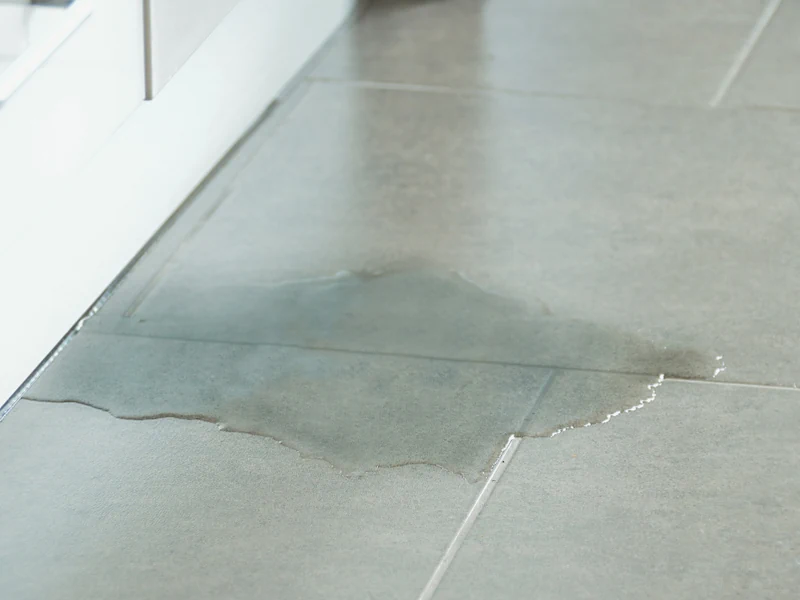
Detecting a slab leak early often comes down to noticing small but telling changes inside the home. In Austin, one of the first signs might be hot spots on concrete or tile floors, which occur when a leak in a hot water line begins to heat the slab above. Homeowners should also watch for unexplained puddles at the base of cabinets or along interior walls, as water can travel through cracks and seams before becoming visible. If a persistent low water pressure issue develops throughout the house, it may indicate water escaping below the foundation rather than supplying fixtures as intended. Comparing common slab leak symptoms with the conditions observed indoors helps residents identify problems before they escalate. By acting at the first sign of moisture or warmth in unexpected places, Austin homeowners can minimize the risk of major foundation damage.
Monitoring Water Pressure Levels to Protect Your Austin Property
Consistently high household water pressure is a frequent but overlooked contributor to slab leak risk. In Austin, water utility systems sometimes deliver pressure exceeding the optimal range for residential plumbing. Homeowners can purchase a simple pressure gauge at a hardware store and attach it to an outdoor spigot to measure the property’s water pressure. If readings regularly exceed 80 psi (pounds per square inch), the risk of pipe fatigue and eventual leaks beneath the slab increases. Installing a pressure-reducing valve, which regulates incoming water pressure to a safer level, can be an effective slab leak prevention Austin strategy. According to water pressure safety guidelines, maintaining moderate pressure protects both the home’s pipes and the concrete foundation. Checking these levels every few months and after any utility service work helps homeowners address issues before calling a professional.
Managing Yard Drainage and Soil Moisture Around Central Texas Homes
The clay-rich soils in Central Texas expand and contract significantly with changes in moisture, putting stress on foundations and buried pipes. Homeowners can reduce slab leak risk by managing how water flows and collects around their property. Properly grading the yard ensures rainwater drains away from the foundation rather than pooling against it. Installing or clearing gutters and downspouts helps direct runoff safely, while soaker hoses can be used to maintain even soil moisture during dry stretches. These measures limit soil movement and minimize the pressure that can cause pipes to crack or separate beneath the slab. For anyone noticing pooling water or deep cracks in the yard, reaching out to a Plumber in Austin ensures a professional can assess whether drainage issues are contributing to hidden leaks. This type of service can help homeowners address the underlying causes before structural problems develop.
Inspecting Water Meters and Utility Bills for Hidden Leaks
Sometimes, slab leaks remain invisible until the damage is severe. One reliable method for early detection is monitoring the home’s water meter. By turning off all water-using appliances and fixtures and observing the meter for several minutes, homeowners can see if water is still flowing through the system—an indication of a possible underground leak. Unexplained increases in monthly utility bills also serve as a red flag, especially in the absence of additional water use. Keeping a record of normal usage patterns and inspecting the meter frequently allows for quick action if anomalies arise. This routine, combined with other slab leak prevention Austin practices, helps homeowners catch leaks while they are still manageable. Consulting city water usage records can also help clarify whether higher consumption is due to potential leaks or seasonal factors.
Conclusion
Taking a few proactive steps—such as monitoring for early warning signs, managing pressure, and keeping an eye on drainage—lets Austin homeowners address potential slab leaks before they become emergencies. If any check reveals a persistent issue, scheduling a professional inspection is the safest next move to protect both property and peace of mind.