












A wardrobe is more than a closet full of clothes, it’s a personal system that should make getting dressed easier, not harder. Yet many people find themselves staring into a closet packed with options while feeling like they have nothing to wear.
This common frustration usually points to a wardrobe built around impulse purchases and passing trends rather than a coherent, functional system. Building a wardrobe that genuinely works means thinking intentionally about fit, versatility, and lifestyle rather than simply accumulating clothing over time.
This guide covers the core principles behind building an effective wardrobe, from foundational pieces to seasonal organization and long-term maintenance.
What Makes a Wardrobe “Work”
A functional wardrobe is defined less by the number of items it contains and more by how well those items work together. A well built wardrobe allows for a wide range of outfit combinations from a relatively small number of pieces, reduces decision fatigue in the morning, and reflects an individual’s actual lifestyle rather than an idealized or aspirational one.
This means a wardrobe built for someone who works primarily from home should look very different from one built for someone in a client-facing corporate role, even if both people share similar personal style preferences.
The starting point for building a functional wardrobe is honest reflection on how you actually spend your time, rather than building around occasional or hypothetical situations that make up a small fraction of daily life.
The Foundation: Building Around Core Basics
Most effective wardrobes are built around a foundation of versatile basics, items in neutral colors and classic silhouettes that can be mixed and matched across a wide range of outfits. These typically include well fitted trousers or jeans, simple tops in a range of necklines, a few reliable layering pieces, and at least one or two versatile outerwear options suited to the local climate.
The value of basics lies in their flexibility. A well chosen neutral blazer, for example, can be dressed up for a professional setting or dressed down for a casual outing, making it a far more valuable wardrobe investment than a single-occasion statement piece that can only be worn in narrow circumstances. Building this foundation first gives you a reliable base to layer more personal or trend driven pieces on top of later.
Fit Matters More Than Trend
One of the most consistent pieces of advice from stylists and wardrobe consultants is that proper fit has a greater visual impact than the specific style or trend of a garment. A well fitted, simple t-shirt will generally look more polished than an expensive, trend forward piece that doesn’t fit properly.
This means factoring in the cost and effort of basic alterations, hemming trousers, adjusting a waistline, taking in a blazer, as part of building a wardrobe, rather than treating off-the-rack fit as fixed and unchangeable.
Investing time in understanding your own body proportions and which cuts and silhouettes genuinely flatter your frame pays long-term dividends, since this knowledge applies across nearly every future purchasing decision rather than being useful for just one item.
Quality Over Quantity
A wardrobe built around fewer, higher quality pieces tends to outperform one built around a larger volume of lower quality items, both in terms of appearance over time and overall cost per wear. Higher quality garments generally use better fabrics, more durable construction, and more attention to detail in finishing, meaning they hold their shape, color, and structure through significantly more wear and washing cycles than fast fashion alternatives.
This doesn’t necessarily mean every piece needs to be expensive. It means prioritizing well made items within your budget, and paying attention to details like fabric composition, seam construction, and closures, since these details are strong indicators of how well a garment will hold up over time regardless of brand or price point.
Building in Versatility
Versatility should guide most wardrobe purchasing decisions. Before buying a new piece, it’s worth asking how many existing items in your wardrobe it could realistically be worn with, and how many different contexts, work, casual outings, more formal occasions, it could reasonably work for.
An item that can only be worn one specific way, with one specific pair of shoes, for one specific occasion, delivers far less overall value than a piece that fits naturally into multiple outfit combinations.
This principle is often described through the idea of a capsule wardrobe, a curated collection of a relatively small number of interchangeable pieces designed to maximize the number of possible outfit combinations. While a strict capsule wardrobe approach isn’t necessary for everyone, applying its underlying logic, prioritizing pieces that combine well with what you already own, benefits almost any wardrobe building strategy.
Organizing Your Wardrobe by Season
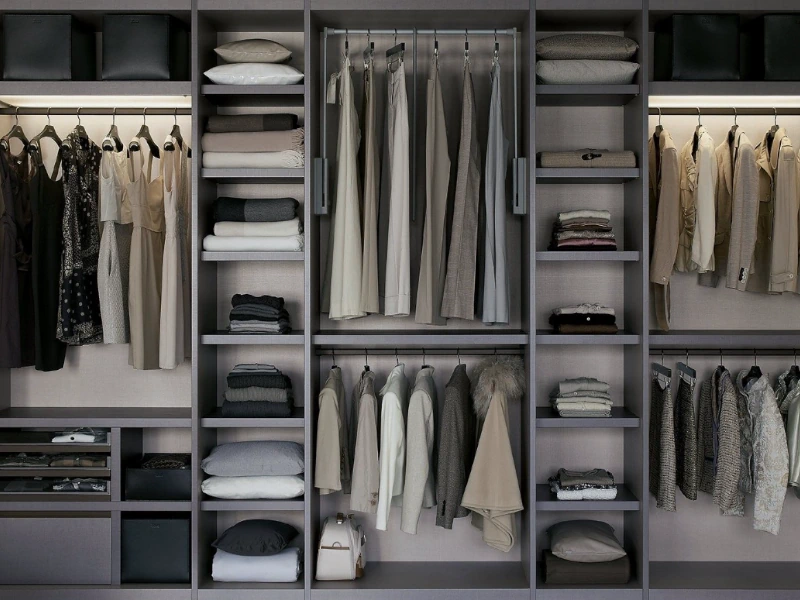
Beyond what you own, how your wardrobe is organized significantly affects how usable it feels day to day. Seasonal rotation, storing off-season items separately and keeping only current-season clothing easily accessible, prevents a closet from feeling overcrowded and makes it easier to see and use what you actually have available.
This is particularly valuable in climates with distinct seasonal shifts, where heavy winter layers and lightweight summer pieces rarely need to be accessed simultaneously.
Organizing remaining, in-season clothing by category, such as grouping tops, bottoms, and dresses separately, or by color, can further reduce the time and mental effort spent putting together an outfit each day.
Maintaining Your Wardrobe Over Time
A functional wardrobe requires ongoing maintenance rather than a single, one-time building effort. Periodically reviewing your wardrobe, ideally each season, to assess what’s being worn regularly, what’s sitting unused, and what no longer fits your lifestyle or body helps keep a wardrobe genuinely functional rather than gradually becoming cluttered with items that no longer serve a purpose.
Basic garment care, proper washing techniques suited to different fabric types, timely repairs for loose buttons or small tears, and appropriate storage to prevent damage from moisture or pests, also plays a significant role in extending the usable lifespan of wardrobe pieces, protecting the investment made in higher quality items over time.
Final Thoughts
Building a wardrobe that actually works comes down to intentionality rather than accumulation. Starting with versatile basics, prioritizing proper fit and quality construction, favoring pieces that combine well across multiple outfits, and maintaining what you own through seasonal organization and basic care all contribute to a wardrobe that reduces daily stress rather than adding to it. Rather than chasing every new trend, a thoughtfully built wardrobe reflects your actual lifestyle, giving you a reliable, adaptable foundation you can genuinely rely on day after day.