








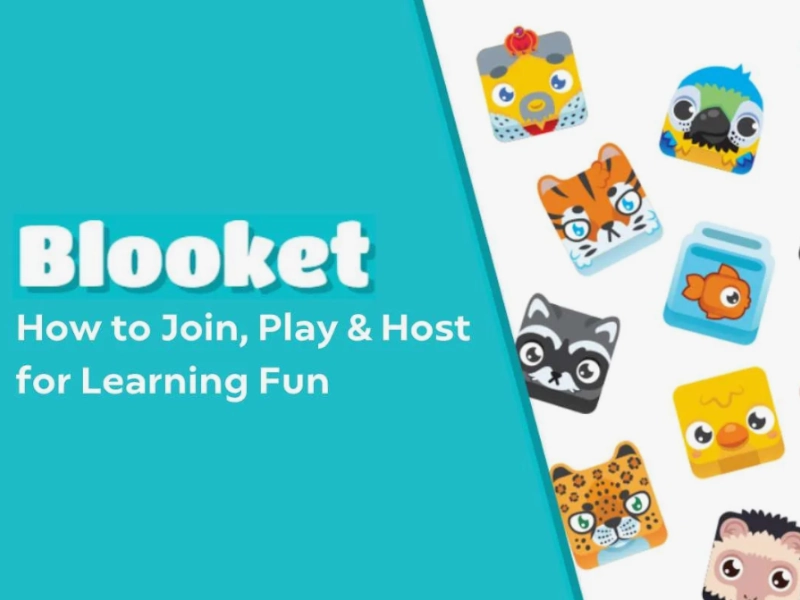
For students, the heart of the Blooket experience comes down to one thing, jumping into a game and playing. Whether joining a live classroom session hosted by a teacher or practicing independently through a solo mode, Blooket play is built to turn ordinary review questions into something closer to a competitive video game.
This guide focuses specifically on how Blooket play actually works, from joining a game with a code to understanding the different game modes available and how the reward system keeps students coming back.
Joining a Blooket Game
The most common way students experience Blooket play is by joining a live game hosted by a teacher. When a teacher starts a game session from their dashboard, they receive a unique game code to share with the class.
Students can join in one of two ways, either by creating a full student account and logging in beforehand, or by joining as a guest using just the game code, without needing to set up an account at all.
Joining as a guest offers a quick, low friction way to participate in a single classroom session, though it does not retain long-term progress, token totals, or Blook collections the way a full student account does. For students who play regularly, creating an account allows progress, tokens, and unlocked Blooks to carry over between sessions rather than resetting each time.
What Happens Once You’re In a Game
After entering a game code, players are dropped into whichever game mode the host has selected, each built around the same underlying set of review questions but wrapped in a different competitive format.
Answering questions correctly generally earns in-game currency or advantages depending on the specific mode, while the pacing and objective of the game itself can vary significantly from one mode to another.
This structure is part of what distinguishes Blooket play from a standard quiz format, the actual academic content, the questions themselves, stays consistent, but the surrounding gameplay experience changes dramatically depending on which mode is active, keeping repeated review sessions feeling fresh rather than repetitive.
Popular Blooket Game Modes
Blooket offers a wide range of game modes, giving teachers flexibility in how they want a review session to feel. Some of the most popular and frequently used modes include:
Tower Defense, where correct answers help players build and upgrade defenses, blending quiz answering with light strategy gameplay.
Battle Royale, a competitive, elimination style mode where players face off against classmates, with correct answers helping players stay in contention as the game progresses.
Gold Quest, a mode centered on collecting in-game currency through correct answers, with an element of risk and reward built into how players choose to protect or risk their earned gold.
Cafe, a more relaxed, management style mode where correct answers help players build and run a virtual cafe, appealing to students who enjoy a slower paced, creative gameplay style alongside the academic content.
Beyond these commonly used modes, Blooket offers a broader library of additional game formats, giving teachers the ability to rotate between different styles to keep repeated review sessions engaging for students over the course of a school year.
Playing Solo
Beyond joining live, teacher hosted sessions, Blooket play also includes solo options, allowing students to practice independently outside of a scheduled class game. This can be particularly useful for individual review before a test, catching up on missed homework assignments, or simply practicing a subject a student wants extra repetition on, without needing to wait for a live class session to be scheduled.
Solo play generally connects to the same broader token and Blook reward system used during live games, meaning independent practice still contributes toward a student’s overall progress and collection within the platform.
Understanding Tokens and Blooks
A central part of what makes Blooket play engaging beyond the academic content itself is its token and collectible reward system. Correct answers and strong performance during gameplay earn tokens, an in-game currency that can then be spent in the platform’s Market to unlock Blooks, a large and growing library of collectible characters.
This collectible layer adds a persistent, ongoing incentive to keep playing beyond any single class session, since accumulating tokens and expanding a Blook collection over time gives students an additional, game-like motivation layered on top of the actual academic review taking place during each game.
Playing on Different Devices
Blooket play is accessible across a range of devices, including desktop computers, laptops, tablets, and smartphones, making it flexible for classrooms with different technology setups. For fast paced live game modes in particular, a stable device and connection help ensure a smooth experience, since some modes rely on quick reaction timing as part of the competitive gameplay.
Tips for a Better Blooket Play Experience
For students looking to get the most out of Blooket play, creating a full account rather than only joining as a guest allows progress, tokens, and Blooks to accumulate over time rather than resetting with each new session.
Trying a variety of game modes, rather than sticking to just one favorite, can also help keep regular review sessions feeling fresh, since each mode changes the pacing and feel of gameplay even when covering the exact same academic content.
For students who find certain game modes more distracting than helpful for actual learning, exploring the platform’s more strategy or management focused modes, such as Cafe or Tower Defense, may offer a better balance between engagement and focus compared to faster, more purely competitive formats like Battle Royale.
Final Thoughts
Blooket play transforms standard educational review questions into an engaging, game-like experience through a combination of live, teacher hosted sessions, independent solo practice, a wide variety of competitive and creative game modes, and an ongoing token and collectible reward system.
Whether joining a live class game with a simple code or practicing independently through solo play, the core academic content stays consistent, while the surrounding gameplay format gives students an entertaining, motivating way to engage with material they might otherwise review through a standard, less interactive quiz.