












Anyone searching for information about aspertaan is actually looking for information about aspartame, one of the most widely used and extensively studied artificial sweeteners in the world. Aspertaan appears to be a common misspelling that has taken on a life of its own online, with several websites publishing content under this incorrect spelling, sometimes blending accurate facts about aspartame with vague, unsourced claims.
This article clears up the spelling confusion and provides accurate, grounded information about aspartame itself, including what it is, where it is commonly found, how it is regulated, and what the current scientific and safety picture actually looks like.
Clearing Up the Name Confusion
Aspartame is the correct name for this low calorie artificial sweetener, first approved for use in food products in the United States in the 1980s. The word aspertaan does not correspond to any officially recognized ingredient, chemical compound, or regulatory term. It appears to function similarly to other trending misspellings seen with different products and terms, where a plausible sounding but incorrect variation of a real word attracts search interest, which then gets filled with content of varying accuracy and reliability.
Some content published under the aspertaan spelling does describe accurate characteristics of real aspartame, such as its use in diet sodas and sugar free products, or the important warning for individuals with the genetic condition phenylketonuria. However, readers should recognize that the correct term to search for reliable, authoritative information is aspartame, not aspertaan, since official regulatory documentation, scientific research, and health organization guidance will only be findable under the correct spelling.
What Aspartame Actually Is
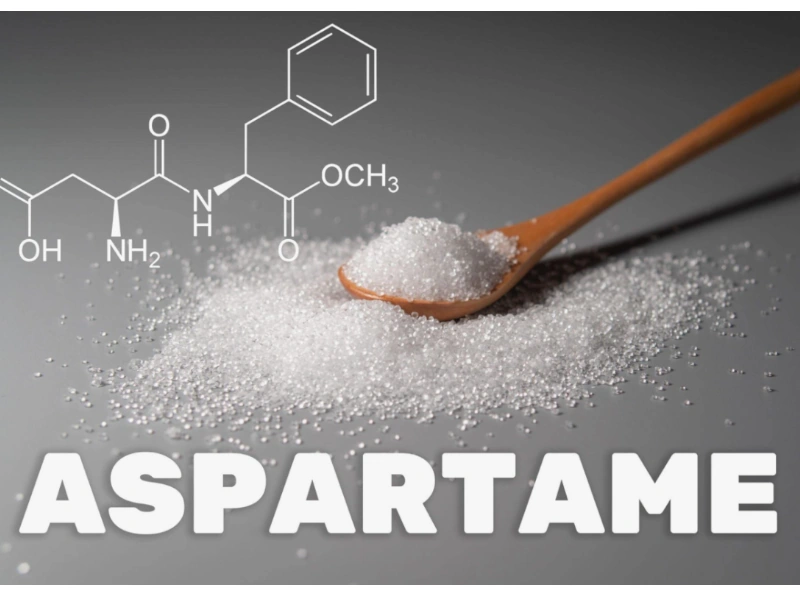
Aspartame is a low calorie artificial sweetener made by combining two amino acids, aspartic acid and phenylalanine, through a chemical process. It is approximately 200 times sweeter than regular table sugar, meaning food and beverage manufacturers can use extremely small amounts to achieve a comparable level of sweetness while significantly reducing overall calorie content. This intense sweetness combined with its low caloric contribution is the primary reason it became so widely adopted across the food and beverage industry following its initial regulatory approval.
Aspartame is commonly found in diet and low calorie soft drinks, sugar free chewing gum, various low calorie yogurt products, tabletop sweetener packets, and numerous other sugar free or reduced sugar food products. It is generally not well suited for baking or high heat cooking applications, since heat can break down aspartame’s chemical structure and cause it to lose its sweetening properties.
Regulatory Status and Approval
Aspartame has undergone extensive regulatory review by major food safety authorities around the world. In the United States, the Food and Drug Administration has approved aspartame for use in food since the 1980s, following its own extensive safety review process. Regulatory bodies in the European Union, along with health authorities in numerous other countries, have similarly evaluated and approved aspartame for use in food products, generally establishing an acceptable daily intake level intended to represent a safe amount that can be consumed regularly over a lifetime without appreciable health risk.
This acceptable daily intake framework, commonly used across food safety regulation for many additives, is set well below the level at which any adverse effects have been observed in scientific studies, incorporating a significant safety margin. For most people, typical consumption patterns involving diet beverages and sugar free products fall well within these established safety limits.
The Important Warning for Phenylketonuria
One of the most medically significant and consistently accurate pieces of information about aspartame involves individuals with phenylketonuria, a rare inherited genetic condition in which the body cannot properly metabolize the amino acid phenylalanine. Because aspartame breaks down into phenylalanine during digestion, products containing aspartame are required in many countries to carry a specific warning label for individuals with this condition, since consuming phenylalanine can lead to serious health complications for people with phenylketonuria specifically.
This warning does not apply to the general population, since individuals without this specific genetic condition process phenylalanine normally through standard metabolic pathways. However, it remains one of the most important, medically grounded facts associated with aspartame consumption, and anyone diagnosed with phenylketonuria should carefully check ingredient labels and consult their healthcare provider regarding appropriate dietary choices.
The Ongoing Scientific and Public Debate
Aspartame has remained one of the more extensively studied and, at times, publicly debated food additives for decades. Numerous scientific studies conducted since its initial approval have examined its safety across a wide range of health outcomes. The overall body of research reviewed by major food safety and health authorities has generally continued to support its safety within established consumption limits.
In 2023, the World Health Organization’s International Agency for Research on Cancer classified aspartame as possibly carcinogenic to humans, a classification category used when there is limited evidence connecting a substance to cancer risk, while at the same time, the Joint FAO and WHO Expert Committee on Food Additives reaffirmed the existing acceptable daily intake level, concluding that typical consumption patterns did not present a significant safety concern. This nuanced, sometimes seemingly contradictory messaging from different expert bodies has understandably contributed to ongoing public uncertainty and debate about aspartame’s long term safety, even as regulatory intake limits have generally remained unchanged.
Practical Considerations for Consumers
For most people without specific medical conditions like phenylketonuria, aspartame consumption within typical dietary patterns, such as occasional diet soda consumption or use of sugar free products, generally falls well within established safety guidelines set by major food safety authorities. Individuals with specific health concerns, those who are pregnant, or anyone wanting more personalized guidance on artificial sweetener consumption should consult with a healthcare provider or registered dietitian, who can offer advice tailored to individual health circumstances rather than general population guidelines alone.
Consumers interested in verifying whether a specific product contains aspartame should check the ingredient list directly, since aspartame is required to be clearly listed by name on food and beverage packaging in most regulated markets, along with the required phenylketonuria warning where applicable.
Final Thoughts
Aspertaan is simply an incorrect spelling of aspartame, a real, extensively studied, and heavily regulated artificial sweetener used throughout the global food and beverage industry. While some online content using the aspertaan spelling repeats accurate information about the real compound, readers seeking reliable, authoritative information should search specifically for aspartame and consult established regulatory sources, such as national food safety authorities or the World Health Organization, rather than relying on secondary blog content built around a search friendly misspelling. Understanding the genuine regulatory history, the specific phenylketonuria warning, and the ongoing scientific evaluation surrounding aspartame provides a far more accurate picture than the fragmented, sometimes unsourced information circulating under the incorrect aspertaan spelling.

