











Few film franchises have captured the spirit of high seas adventure quite like Pirates of the Caribbean. What began as an unusual gamble, adapting a Disney theme park attraction into a full length feature film, evolved into one of the most successful and culturally influential movie franchises of the twenty first century. Blending swashbuckling action, supernatural fantasy, and a uniquely eccentric leading performance, Pirates of the Caribbean redefined what a pirate movie could be and reintroduced the genre to a new generation of audiences.
This article explores the origins of the franchise, its core films, its most memorable characters, and the lasting cultural impact it has had on popular entertainment.
From Theme Park Ride to Global Franchise
The origins of Pirates of the Caribbean trace back to the classic Disneyland attraction of the same name, first opened in the 1960s. The ride itself was known for its immersive boat journey through scenes of pirate battles, treasure hunting, and rowdy seafaring mischief, all set to an iconic musical theme. Decades later, Disney made the bold decision to transform this beloved attraction into a big budget feature film, a move that many in the industry viewed with skepticism, given the mixed track record of films based on theme park rides at the time.
That skepticism proved unfounded. The first film in the series, released in 2003, became a massive critical and commercial success, defying expectations and launching what would become a multi film franchise spanning nearly two decades. Its success is often credited with helping revive general audience interest in pirate themed entertainment, a genre that had fallen out of mainstream popularity in the years prior.
The Core Films in the Franchise
The Pirates of the Caribbean franchise consists of five main theatrical films, each expanding the mythology, characters, and world established in the original story.
The first installment introduced audiences to a cursed pirate crew, a blacksmith caught up in a supernatural quest, and a witty, unpredictable pirate captain whose loyalties always seemed to shift with the tide. Its blend of genuine adventure filmmaking with a strong supernatural undercurrent set the tone for the films that followed.
Subsequent entries expanded the story significantly, introducing new supernatural threats, legendary pirate lore, and increasingly elaborate action sequences. Later films in the series brought in mythical sea creatures, cursed treasure, immortal seafaring legends, and expanded the franchise’s mythology to include famous pirate folklore drawn loosely from historical maritime legend. Each film built upon an increasingly intricate universe involving pirate codes, supernatural bargains, and battles for control of the seas.
The Character That Defined the Franchise
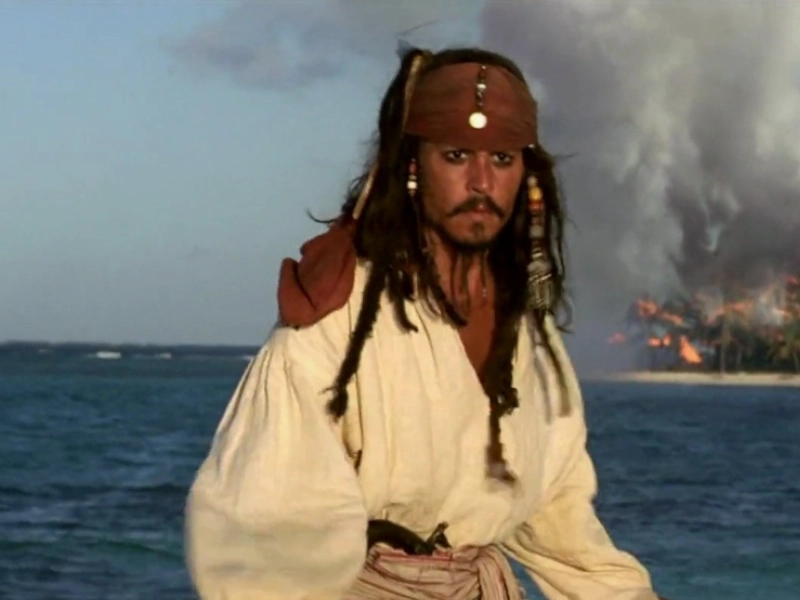
At the heart of the franchise’s success is its central pirate captain, a character whose eccentric mannerisms, unpredictable morality, and quick witted charm became instantly iconic. Unlike traditional heroic pirate archetypes, this character operated in a constant gray area, motivated as much by self interest and cunning as by loyalty or heroism. This unconventional approach to a leading character helped set Pirates of the Caribbean apart from more traditional adventure films, giving audiences a protagonist who felt unpredictable and endlessly entertaining.
Beyond the central captain, the franchise built a rich ensemble of characters, including a determined blacksmith turned pirate, a governor’s daughter drawn into a life of adventure and eventual leadership among pirates, a formidable and calculating rival captain, and a supernatural, tentacle bearded antagonist commanding a ghostly ship and crew. This combination of memorable, larger than life characters helped give the franchise a distinct identity that extended well beyond its central star.
World Building and Mythology
One of the defining strengths of the Pirates of the Caribbean franchise is its layered approach to world building. Rather than presenting a straightforward pirate adventure, the series wove in supernatural elements drawn from maritime folklore, including curses, immortal seafarers, mythical sea monsters, and legendary pirate councils governing the balance of power across the seas. This blending of historical pirate aesthetics with fantasy and supernatural storytelling gave the franchise a distinct flavor that helped it stand apart from more grounded, historically accurate pirate films.
The franchise also introduced the concept of pirate lords, a council representing different seafaring territories, along with mythic figures drawn loosely from maritime legend, expanding the story beyond a single ship or crew into a broader universe with its own internal rules, history, and hierarchy.
Cultural Impact and Legacy
The impact of Pirates of the Caribbean on popular culture has been substantial. The franchise is often credited with reviving mainstream interest in pirate themed entertainment, influencing everything from Halloween costume trends to a renewed public fascination with historical pirate figures and maritime folklore. Its central pirate captain became one of the most recognizable and frequently referenced characters in modern film history, inspiring countless imitations, parodies, and pop culture references across television, advertising, and online media.
The franchise also became a significant commercial success for Disney, spawning multiple sequels, extensive merchandise lines, video games, and continued theme park integration, effectively creating a feedback loop between the original ride and its cinematic adaptation. Updates to the original Disneyland and Disney World attractions over the years have incorporated characters and imagery from the films, further blending the boundary between the ride that inspired the franchise and the films it eventually created.
Themes of Freedom, Loyalty, and Moral Ambiguity
Beyond its swashbuckling action, Pirates of the Caribbean consistently explored themes of freedom, loyalty, and moral ambiguity. Its characters frequently grappled with questions of allegiance, honor among thieves, and the tension between structured authority and lawless independence. Rather than presenting a simple battle between good and evil, the franchise often blurred those lines, giving its pirate characters genuine complexity and allowing audiences to sympathize with figures who operated well outside conventional heroism.
This willingness to embrace morally complicated characters, combined with a genuine sense of adventure and spectacle, helped the franchise maintain broad appeal across different audience demographics, from younger viewers drawn to the fantasy elements to older audiences appreciating the wit, humor, and genre inspired storytelling.
Final Thoughts
Pirates of the Caribbean stands as a rare example of a theme park attraction successfully transformed into a defining cinematic franchise. Through its blend of supernatural adventure, richly developed characters, and an unforgettable central performance, the series managed to revive an entire genre of filmmaking while building a distinct mythology all its own. Its lasting influence on popular culture, from fashion and Halloween traditions to ongoing theme park experiences, reflects just how deeply this swashbuckling saga embedded itself into modern entertainment history.