













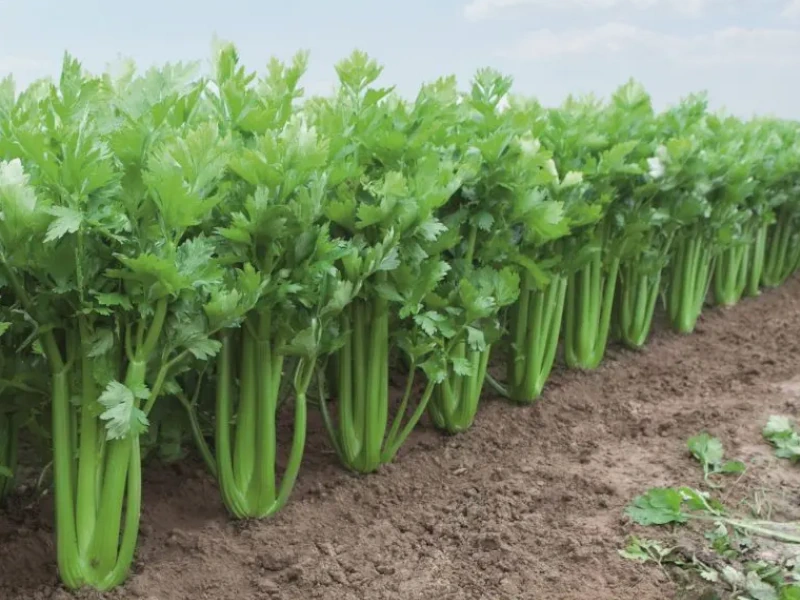
Pravi celer is a term rooted in the South Slavic languages of Croatian, Bosnian, and Serbian, where it translates directly to true celery or real celery. The word pravi means true or real, while celer refers to celery itself. Together, the phrase distinguishes the classic, widely cultivated celery plant from wild celery relatives and other similar looking root vegetables found across the Balkans and neighboring Mediterranean regions.
Botanically known as Apium graveolens, pravi celer belongs to the Apiaceae family, the same plant family that includes parsley, carrots, fennel, and dill. This article explores what pravi celer actually is, where it comes from, its botanical characteristics, its traditional culinary and household uses, and its established nutritional profile.
What Pravi Celer Actually Refers To
In everyday use across Croatia, Bosnia, and Serbia, pravi celer simply means the standard, cultivated garden celery that people grow and cook with, as opposed to wild or ornamental varieties that resemble celery but are not typically used the same way in the kitchen. The term functions similarly to how English speakers might say true celery or garden celery to clarify exactly which plant they mean.
This distinction matters in regions where multiple related plants share overlapping common names in local dialects. By specifying pravi celer, speakers make clear they are referring to the familiar, edible celery plant used in soups, stews, and herbal preparations, rather than a lookalike species.
Botanical Characteristics
Pravi celer is classified as a herbaceous plant that can grow as an annual, biennial, or perennial depending on climate and cultivation practices. The plant typically develops leaves and stalks during its first growing season, followed by flowering and seed production in its second year if left to mature fully, which is characteristic of many biennial plants in the Apiaceae family.
The root of pravi celer is fleshy or spindle shaped, and in certain cultivated varieties it thickens into a rounded, tuber like form, which is the basis for celeriac, also known as celery root. The stem is branched and typically grows between 40 and 80 centimeters tall.
Its leaves are dark green, glossy, and pinnately divided, meaning they are arranged in a feather like pattern along a central stalk, with individual leaflets that are wedge shaped and notched or toothed at the tips. The plant produces small white to grayish white flowers arranged in an umbrella shaped cluster known as an umbel, a flowering structure typical of the wider carrot and parsley family.
The species name graveolens comes from Latin and means heavy scented, a fitting description given the strong, aromatic fragrance released when celery leaves or stalks are crushed.
Origins and Regional Significance
Pravi celer is native to marshland regions of the Mediterranean, North Africa, and parts of Asia, where it originally grew as a wild plant before being selectively cultivated over many centuries. Early cultivation focused heavily on the plant’s medicinal and aromatic qualities rather than its use as a standalone vegetable.
Over time, farmers and gardeners refined the plant through selective breeding, gradually producing the thicker stalks, milder flavor, and more tender texture associated with the celery commonly sold in grocery stores today.
In the Balkan region specifically, pravi celer holds a long standing place in traditional cooking and home remedies. Unlike some modern commercial celery, which is often bred primarily for its crisp, pale stalks, pravi celer in its more traditional form tends to be more robust and aromatic, with the whole plant, including leaves, stalks, roots, and seeds, commonly used rather than just one portion.
Culinary Uses
Pravi celer plays a foundational role in many traditional Balkan and Mediterranean dishes, most notably as a base ingredient in soups and broths, where its aromatic qualities help build depth of flavor alongside other root vegetables and herbs. Both the stalk form and the root form, celeriac, are used depending on the recipe and regional tradition.
Stalk celery is valued for its crunchy texture and fresh, slightly peppery flavor, while celeriac is prized for its dense, aromatic root, often incorporated into purees, soups, and slow cooked dishes.
Because pravi celer is traditionally used as a whole plant rather than a single harvested part, home cooks in the region have long found practical uses for the leaves and seeds as well, incorporating them into seasoning blends, herbal preparations, and traditional remedies passed down through generations.
Nutritional Profile
Pravi celer is widely recognized as a low calorie, nutrient dense vegetable. It is composed of roughly ninety five percent water, making it a naturally hydrating food choice. Despite its high water content and minimal calorie count, celery provides meaningful amounts of several important nutrients, including vitamin K, vitamin C, potassium, and dietary fiber.
This combination of high water content, low calorie density, and useful micronutrient content is part of why celery in general, including pravi celer specifically, remains a popular ingredient among people focused on balanced, health conscious eating patterns, whether used raw in salads, blended into juices, or cooked as part of savory dishes.
Traditional Household Uses
Beyond the kitchen, pravi celer has a long history of use in traditional home remedies across the regions where it is cultivated. Historically, various parts of the plant, particularly its seeds, have been used in folk practices intended to support digestion and general wellness.
As with many traditional herbal uses, these practices are rooted in long standing cultural knowledge rather than modern clinical research, and anyone considering using celery seed or celery based preparations for health purposes beyond typical culinary use should approach such practices with appropriate caution and consult a healthcare professional if they have any underlying health conditions, are pregnant, or are taking medication, since certain compounds in celery can interact with kidney function or blood sugar regulation in some individuals.
Growing Pravi Celer
For gardeners interested in cultivating pravi celer, it is generally considered a moderately demanding crop that requires consistent moisture, fertile soil, and a relatively long growing season to develop properly.
Because the plant is biennial by nature, gardeners aiming to harvest stalks or roots typically do so during the first growing season, while those interested in seed production allow the plant to continue into its second year, when it flowers and sets seed.
Patience is often cited as an important quality for successfully growing this plant, since the seeds are small, germination can take time, and the plant benefits from steady, careful attention to watering throughout its development.
Final Thoughts
Pravi celer represents far more than a simple translation of the word celery. It reflects a specific cultural and linguistic distinction used across Croatia, Bosnia, and Serbia to identify the true, cultivated celery plant, connecting a familiar kitchen vegetable to centuries of Mediterranean and Balkan agricultural tradition.
From its botanical characteristics and culinary versatility to its established nutritional benefits, pravi celer remains a meaningful example of how a common, everyday plant can carry deep regional significance while still fitting naturally into modern, health conscious cooking.