










Late autumn in Columbus brings familiar headaches for property managers: tenants call about slow drains, odd odors drift from kitchens, and the first frost is right around the corner. Those early warning signs can quickly turn into costly plumbing emergencies once temperatures plunge below freezing. In a city where cold snaps are both sudden and severe, scheduling drain cleaning before winter isn’t just a matter of convenience—it’s a key part of protecting both property value and tenant satisfaction. Proactive cleaning clears out accumulating grease, debris, and buildup, reducing the risk of burst pipes or sewage backups when water unexpectedly freezes in clogged lines. That’s why experienced property managers across Columbus put routine drain maintenance at the top of their pre-winter checklist, preventing preventable disasters before the coldest months arrive.
Columbus Winter Weather Challenges For Rental Properties
Columbus winters are marked by fluctuating temperatures, frequent snow, and sudden ice storms. For rental properties, these conditions present specific risks to plumbing infrastructure, especially in older buildings where insulation may be inconsistent. Frozen ground can put pressure on underground pipes, while exterior drains and exposed plumbing are especially vulnerable to rapid temperature drops. Even a short period of sub-zero weather can cause blockages to turn into full-fledged pipe bursts, particularly if drains are already partially clogged with organic waste or sediment.
Property managers overseeing multi-unit buildings or complexes must also account for the increased use of kitchen and bathroom facilities during the winter months, as more tenants stay indoors. This seasonal spike in usage compounds existing vulnerabilities, making the pre-winter period the most critical window for scheduling Drain Cleaning Service in Columbus, OH. This service addresses obstructions that might otherwise go unnoticed until freezing temperatures cause them to become major issues.
Routine drain cleaning is especially prudent for properties in neighborhoods known for older clay or cast iron pipes, which can be more susceptible to winter weather damage. Reviewing local plumbing infrastructure guidelines ensures that cleaning methods are compatible with the property’s pipe materials and layout.
How Freezing Temperatures Impact Residential Plumbing Systems
When temperatures drop below freezing, water trapped in partially blocked pipes can freeze and expand. This process puts significant pressure on pipe walls, which can result in cracks or complete ruptures. Even a small blockage—such as grease buildup from holiday cooking—can trap water long enough for it to freeze overnight, causing damage that often requires immediate professional intervention.
Residential plumbing systems in Columbus are subject to additional strain during harsh winters due to the age and variety of building stock. Clogged floor drains in basements can also become a source of flooding when snow melts and cannot properly exit the property. By having commercial drain cleaning Columbus OH providers clear these drains in advance, property managers avoid the compounded risks of both freezing and flooding.
Understanding the effects of freeze-thaw cycles on plumbing helps managers identify which parts of the system are most at risk and prioritize those areas for pre-season cleaning and inspection.
Preventative Maintenance Strategies For Local Property Managers
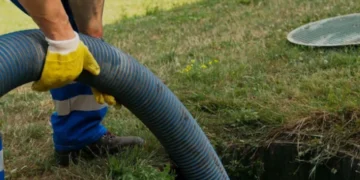
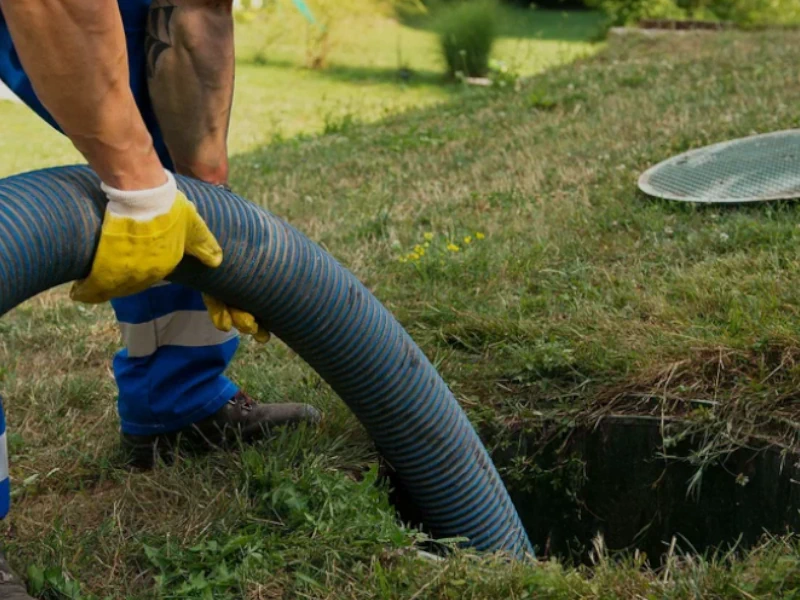
Ahead of winter, experienced Columbus property managers implement a maintenance schedule that addresses both indoor and outdoor drainage systems. This includes high-traffic areas such as kitchen sinks, laundry rooms, and main sewer lines. Scheduling commercial drain cleaning Columbus OH services ensures that all units and common areas receive attention, reducing the chance that a single overlooked drain becomes the source of a complex, building-wide problem.
Professional drain cleaning often involves the use of high-pressure water jets and mechanical augers, which physically remove stubborn blockages that standard consumer products cannot address. This level of service is especially important in multi-unit properties, where interconnected plumbing can allow a single clog to affect several apartments.
In addition to clearing buildup, reputable providers can identify early signs of pipe fatigue or corrosion, allowing property managers to plan for repairs before winter weather exacerbates these issues. Reviewing maintenance records and creating a preventative checklist tailored to the property’s age and layout makes it easier to keep up with these critical tasks each year.
Minimizing Emergency Repair Costs During Cold Months
Emergency plumbing repairs during winter are not only disruptive, but they are also typically more expensive due to after-hours rates and the added complexity of working in freezing conditions. Preventative drain cleaning reduces the likelihood of urgent calls, water damage, and the need for temporary tenant relocation due to flooding or sewage backups.
Proactive measures also help property managers comply with local ordinances requiring safe, habitable living conditions, minimizing legal liability if plumbing failures occur. By addressing drain issues ahead of the first hard freeze, managers can allocate budget resources more predictably and avoid the financial strain of unplanned repairs.
Ultimately, regular pre-winter drain cleaning is a cost-effective strategy that protects the property’s infrastructure and reputation, building trust with tenants and owners alike.
Conclusion
Scheduling routine drain cleaning before winter is a practical, proven way for Columbus property managers to avoid preventable emergencies and control maintenance costs. Start by reviewing last year’s trouble spots and booking professional inspections for the most vulnerable drains. Acting now safeguards your properties when winter weather arrives—and spares tenants and owners from costly surprises.